Teak Garden Bench: Complete Guide to Styles, Benefits, and Real-World Examples
A teak garden bench is more than just a seating option; it is a timeless addition to outdoor spaces. Known for its durability, elegance, and natural resistance to weather, teak has long been the material of choice for high-quality garden furniture. Whether placed in a private backyard, public park, or serene garden, a teak bench offers both comfort and a sense of permanence.
The appeal of teak garden benches lies not only in their strength but also in their natural beauty. With rich golden tones that weather gracefully to a silver-grey patina, they provide an aesthetic that evolves with time. This makes them ideal for homeowners and landscapers seeking furniture that combines longevity with visual charm.
What Makes Teak Ideal for Outdoor Benches
Teak is a tropical hardwood native to Southeast Asia, prized for its natural oils and dense grain. These properties make it highly resistant to rot, pests, and harsh weather conditions. Unlike other types of wood that require constant maintenance or protective treatments, teak can withstand rain, sun, and humidity with minimal upkeep.
In addition to durability, teak is exceptionally strong. Its high tensile strength ensures that benches can endure frequent use without warping or breaking. This is why teak has historically been used in shipbuilding and is now considered one of the most reliable materials for outdoor furniture.
Styles of Teak Garden Benches
Traditional Teak Benches
Traditional designs often feature simple, slatted backs and curved armrests. These benches highlight the natural beauty of the wood without excessive ornamentation, making them suitable for classic gardens or heritage-style landscapes.
The timeless design ensures that traditional teak benches never go out of style. They work well in both formal settings, like botanical gardens, and casual home patios.
Contemporary Teak Benches
Modern variations introduce sleek lines, minimalistic forms, and sometimes mixed materials like stainless steel or stone. These benches are tailored for contemporary landscapes and urban outdoor spaces.
The combination of teak’s natural warmth with modern geometry provides a balance between tradition and innovation, appealing to homeowners seeking a fresh, updated look.
Benefits of a Teak Garden Bench
Durability That Lasts for Decades
One of the greatest benefits of a teak bench is its longevity. With proper care, teak furniture can last for decades, even generations. The natural oils protect it from deterioration, making it a worthwhile long-term investment.
Low Maintenance
Unlike softer woods, teak requires little maintenance. It does not need constant sealing or staining. Some owners choose to let their benches age naturally into a silvery patina, while others maintain the golden hue with occasional oiling.
Weather and Pest Resistance
Teak is naturally resistant to termites, fungi, and moisture. This makes it especially practical for outdoor environments where other woods might suffer damage over time.
Sustainable Choice
Many modern manufacturers use responsibly sourced teak, ensuring that benches are produced with minimal environmental impact. This appeals to eco-conscious homeowners who want long-lasting furniture without compromising sustainability.
Real-World Examples of Teak Garden Benches
Classic Slatted Teak Bench
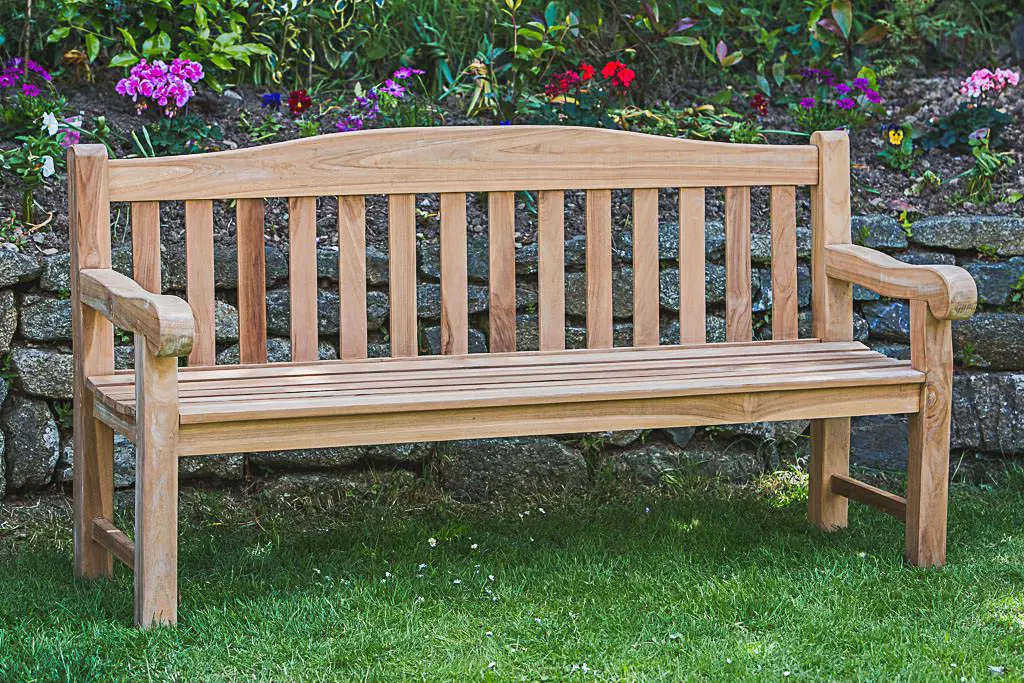
This traditional style features horizontal or vertical slats with a gently curved backrest and armrests. Its design emphasizes simplicity, making it suitable for any garden theme. The slatted construction allows air circulation, which enhances comfort in warm climates.
This type of bench often becomes a centerpiece in formal gardens or heritage parks, blending seamlessly with both natural greenery and structured landscaping.
Backless Teak Garden Bench
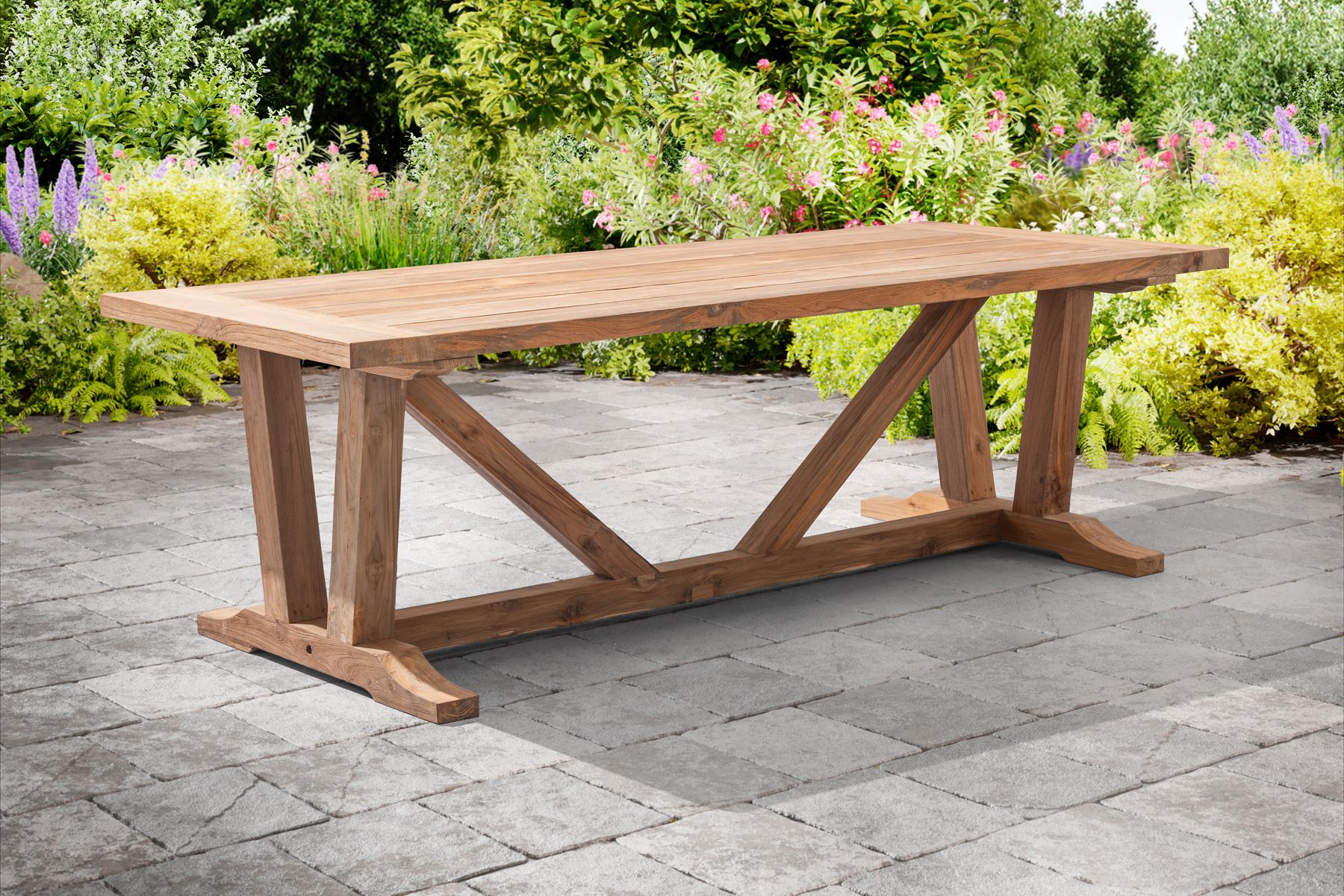
A backless bench is versatile, often used along garden paths, at dining tables, or near flower beds. Its understated design allows it to complement a wide variety of outdoor spaces without overwhelming the landscape.
In addition to versatility, backless benches are practical for smaller gardens where space optimization is essential. They can also be placed against walls or used as casual seating during gatherings.
Curved Teak Garden Bench
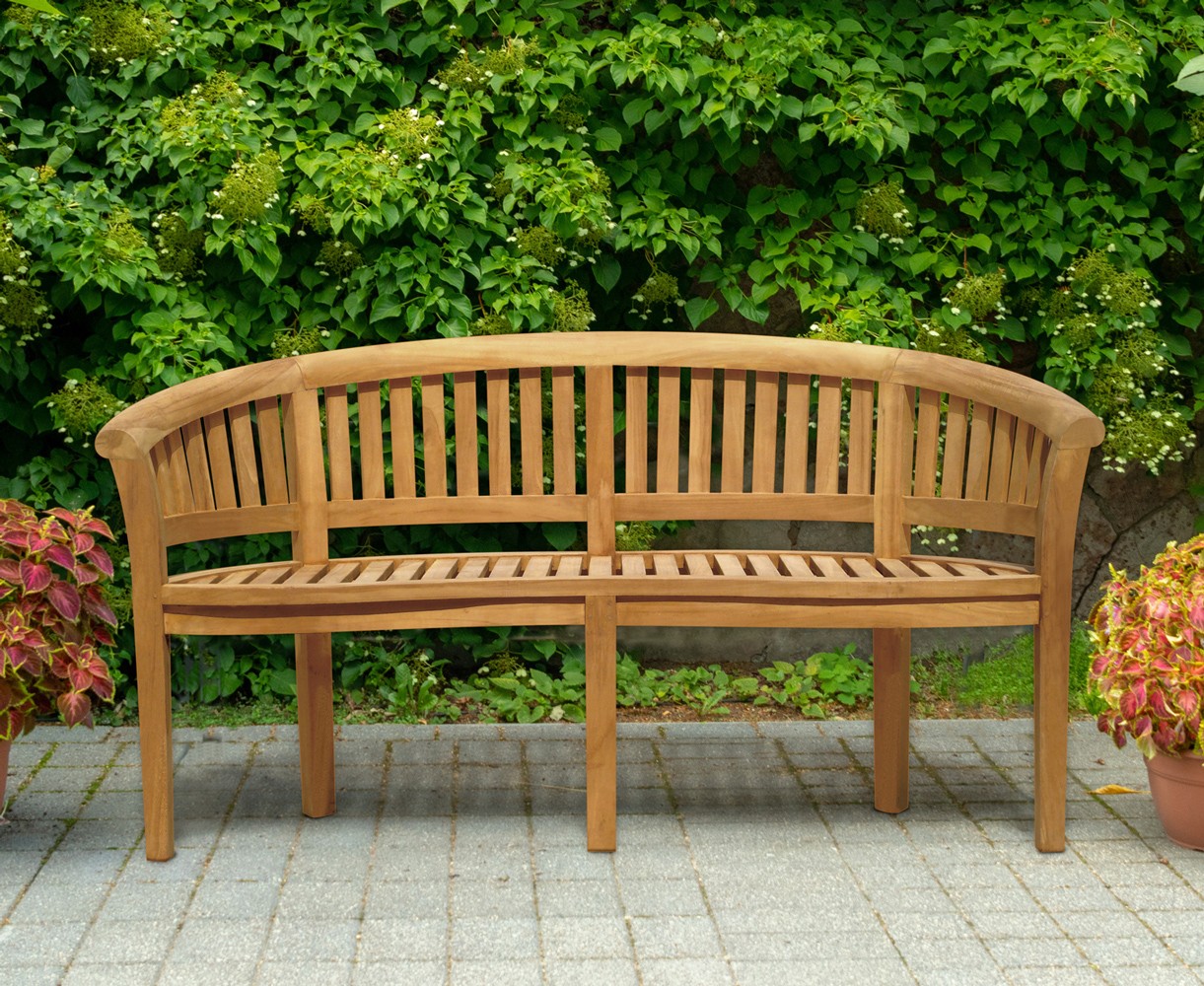
Designed to fit around trees, fire pits, or fountains, curved benches showcase the adaptability of teak. They provide communal seating while highlighting focal points in the garden.
The natural arc of the bench encourages social interaction, making it a perfect choice for family spaces or public gardens. Its unique form demonstrates how teak can be both functional and artistic.
Contemporary Teak and Metal Hybrid Bench
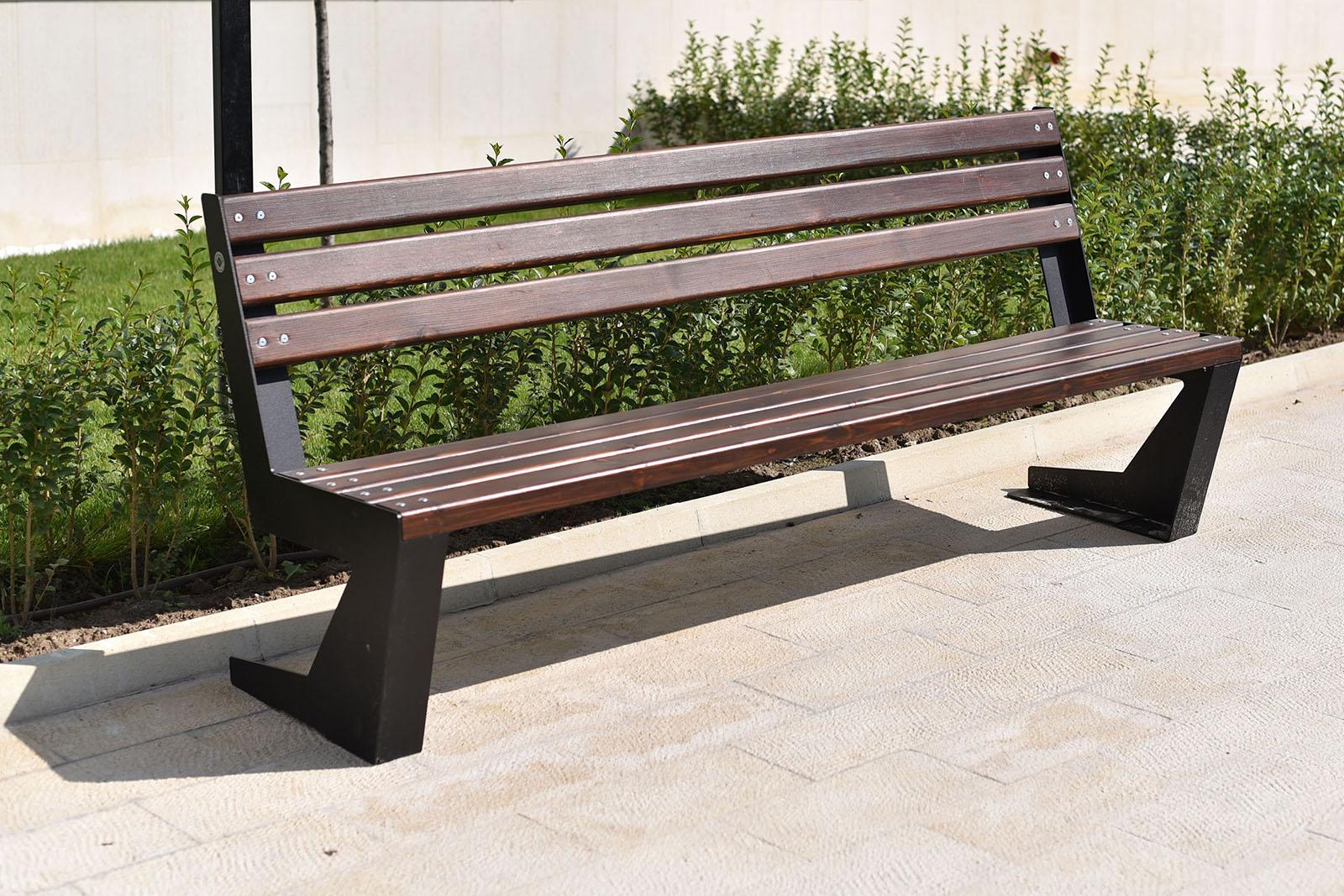
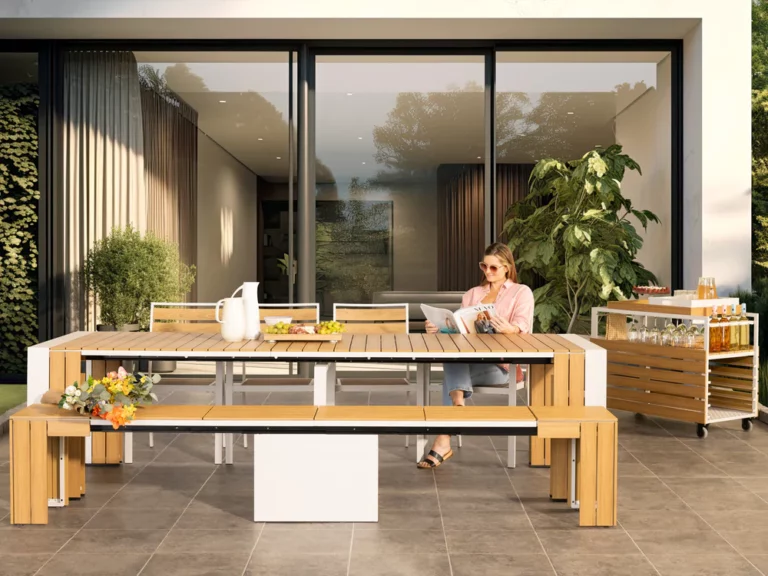
Some modern designs incorporate stainless steel or powder-coated aluminum frames with teak seating. This combination creates a sleek, industrial look while retaining the warmth of natural wood.
Such benches appeal to homeowners with modern architectural homes or urban gardens. The metal framework adds structural strength, while the teak surface provides comfort and elegance.
Practical Use Cases of Teak Garden Benches
Enhancing Garden Aesthetics
A teak bench is not just functional, it’s also a decorative element. Placed under a tree, near a pond, or along a garden path, it creates inviting spots for relaxation while complementing the natural environment.
Providing Comfortable Outdoor Seating
In homes, benches serve as reliable outdoor seating for family gatherings, reading sessions, or simply enjoying a cup of tea. In public spaces, they provide rest areas for visitors, blending practicality with beauty.
Creating Focal Points in Landscaping
Curved or ornate teak benches can be used as visual anchors in garden design. They draw attention to specific areas, such as flower beds or architectural features, while still being highly functional.
Durable Seating for Harsh Climates
In coastal areas or regions with heavy rainfall, many materials deteriorate quickly. Teak benches solve this problem by offering resilience against salt, moisture, and temperature fluctuations.
Benefits of Technology in Modern Teak Benches
Although teak itself is naturally durable, modern technology has further enhanced how these benches are produced and maintained.
Precision Joinery and Machine Finishing
Advanced machinery ensures smooth finishes and precise joints, improving both aesthetics and structural integrity. This makes modern teak benches more reliable than handcrafted versions with inconsistent quality.
Eco-Friendly Treatments
Technological advancements have introduced water-based sealants and UV-protective coatings that are environmentally friendly. These treatments extend the lifespan of teak while minimizing the ecological footprint.
Hybrid Design Innovation
Combining teak with other materials such as recycled metals or weatherproof fabrics has been made possible by modern manufacturing techniques. These innovations expand the design possibilities of garden benches.
Frequently Asked Questions
1. How long does a teak garden bench last?
With proper care, a teak garden bench can last for decades, often 50 years or more. Its natural oils and dense grain make it exceptionally resistant to weather and pests.
2. Should I oil my teak garden bench?
Oiling is optional. Some homeowners prefer to maintain the golden-brown hue by applying teak oil, while others allow it to weather naturally into a silver-grey patina without affecting durability.
3. Can teak garden benches stay outside all year round?
Yes, teak benches are designed to withstand all seasons. They can remain outdoors year-round without damage, although covering them in extreme winter conditions may help preserve their finish.