Commercial Exterior Lighting: Complete Guide to Design, Benefits, and Real-World Applications
Commercial exterior lighting plays a crucial role in shaping the first impression of a business, facility, or institution. More than just illuminating outdoor spaces, it enhances safety, ensures security, and communicates brand identity after sunset. From office buildings and shopping centers to hotels and industrial facilities, proper exterior lighting design can transform a property’s presence.
Unlike residential lighting, commercial exterior lighting systems are built on a larger scale with durability, efficiency, and compliance in mind. Businesses require lighting solutions that not only highlight architecture but also support operations, reduce liability risks, and contribute to long-term energy savings.
Importance of Commercial Exterior Lighting
Investing in commercial exterior lighting is essential for multiple reasons. First, it ensures safety for employees, customers, and visitors by reducing accidents in poorly lit areas such as parking lots, walkways, and loading zones. Second, it provides an added layer of security, discouraging trespassers and criminal activity.
Beyond functionality, lighting also serves as an extension of branding. A well-lit storefront or building facade attracts attention, establishes trust, and communicates professionalism. It creates an inviting atmosphere that encourages foot traffic, especially for retail and hospitality businesses.
Key Elements of Commercial Exterior Lighting
Design and Planning
Commercial exterior lighting begins with careful design and planning. Professionals consider the size of the property, its architectural features, the surrounding landscape, and the intended purpose of the lights.
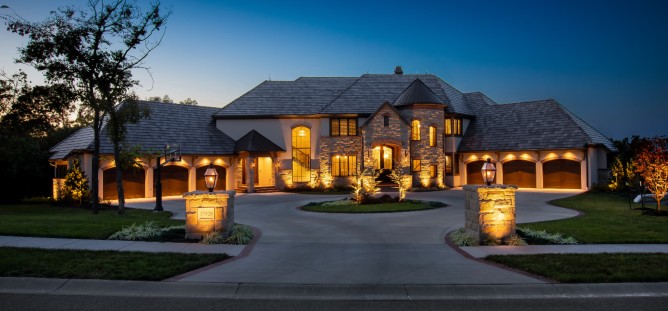
Lighting designers use techniques such as uplighting to accent building facades, floodlighting for wide coverage, and pathway lighting for pedestrian safety. A well-thought-out plan ensures balance between functionality and aesthetics while avoiding light pollution or glare.
Installation and Maintenance
The installation of commercial exterior lighting requires skilled professionals to ensure compliance with electrical codes and durability standards. Weather-resistant fixtures, proper wiring, and integration with control systems are essential for long-lasting performance.
Regular maintenance also plays a vital role. Businesses rely on consistent illumination, and professional service ensures bulbs, sensors, and wiring are inspected frequently to avoid downtime or uneven lighting.
Technology in Modern Commercial Exterior Lighting
LED Lighting Solutions
LED technology has revolutionized commercial exterior lighting by offering long lifespans, lower energy consumption, and improved brightness. LEDs provide a range of color temperatures, allowing businesses to choose lighting that fits their branding or architectural style.
In addition, LEDs require less frequent replacements compared to traditional bulbs, reducing maintenance costs. This makes them an ideal choice for large properties such as parking lots, warehouses, and office complexes.
Smart Controls and Automation
Smart technology has taken commercial exterior lighting to the next level. Businesses now integrate automated systems that allow lights to operate on schedules, respond to motion, or adjust brightness based on ambient conditions.
These systems can be controlled remotely via mobile devices or building management platforms. The result is reduced energy costs and enhanced operational efficiency, as lighting can adapt to real-time needs without human intervention.
Real-World Examples of Commercial Exterior Lighting
Office Building Facade Lighting
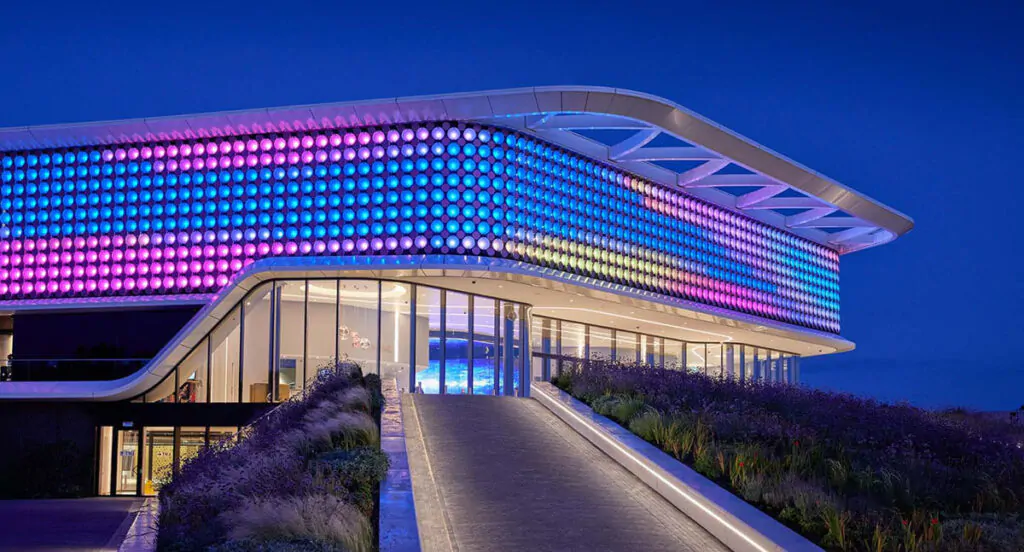
A corporate office utilized commercial exterior lighting to enhance its architectural design. By using uplights and wall washers, the company highlighted modern glass structures, giving the building a striking appearance at night.
This not only increased the building’s curb appeal but also reinforced the company’s image as a forward-thinking, professional organization. Clients and employees alike benefited from a welcoming and safe environment.
Retail Shopping Center Parking Lot
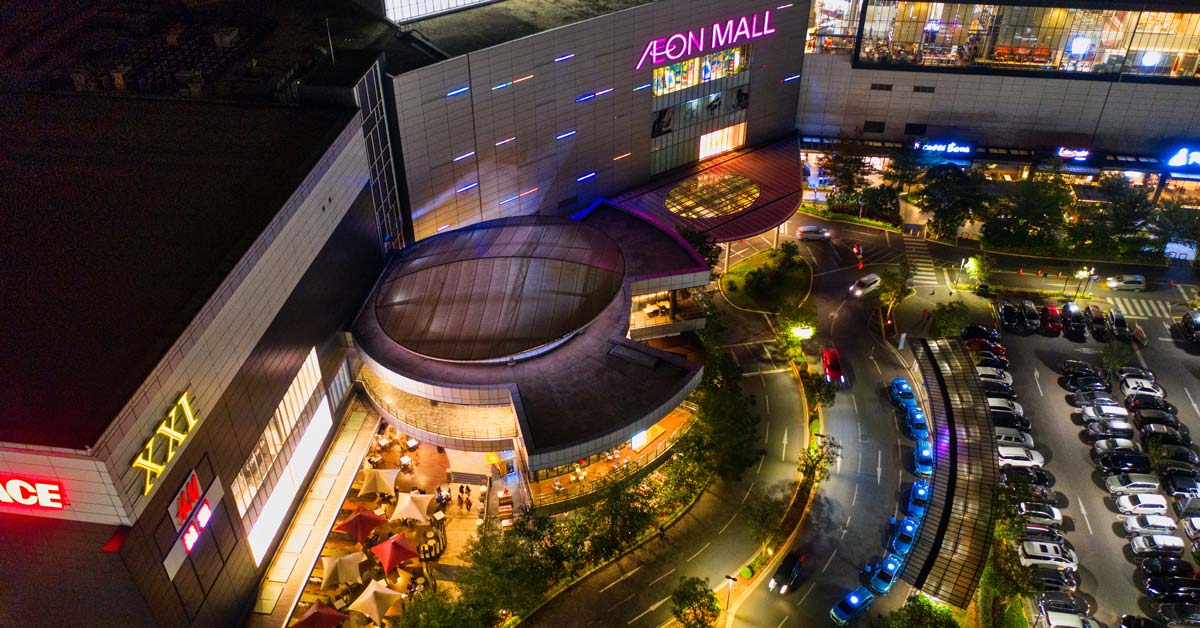
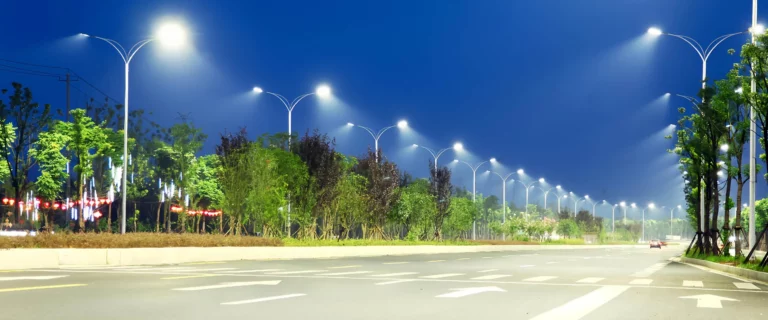
A busy shopping center required consistent illumination across its large parking lot. The installation of LED floodlights ensured visibility for customers while deterring potential criminal activity.
The improved lighting reduced liability risks for the property owner while creating a safer and more inviting shopping experience for visitors. It also contributed to increased business during evening hours.
Hotel Entrance and Landscape Lighting
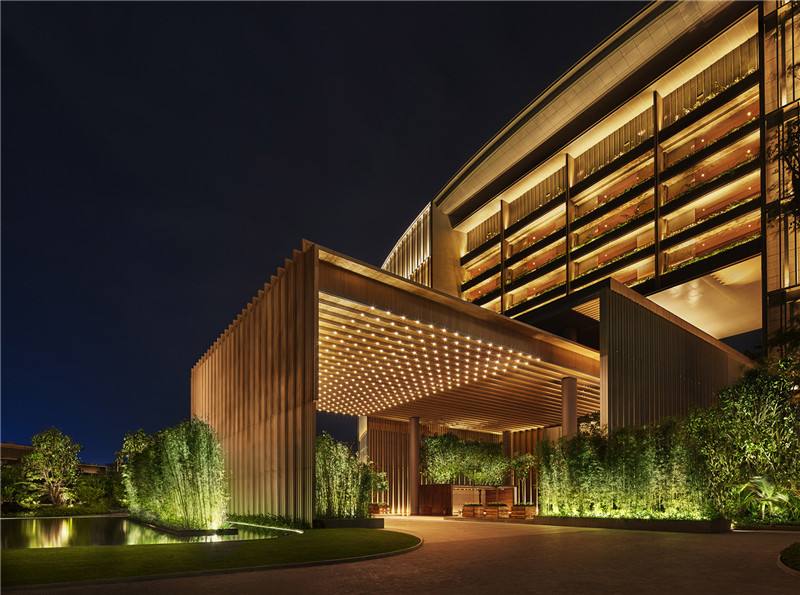
A luxury hotel enhanced its guest experience through commercial exterior lighting at its entrance and landscaped gardens. Spotlights highlighted palm trees, while subtle ground lights guided guests toward the entrance.
The design elevated the property’s elegance, creating a memorable first impression. This project demonstrated how commercial exterior lighting can merge functionality with hospitality-driven branding.
Industrial Facility Security Lighting
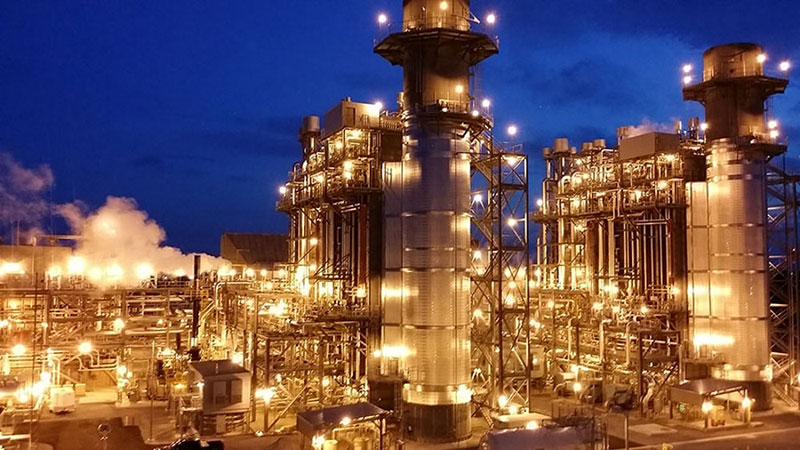
An industrial facility partnered with a commercial lighting provider to secure its perimeter. High-intensity LED floodlights with motion sensors were installed along fences and entry points.
The result was a significant reduction in trespassing incidents. Beyond security, the lighting system also improved operational efficiency during night shifts, allowing staff to move safely around the premises.
Benefits of Commercial Exterior Lighting
Safety for Visitors and Employees
Adequate illumination in parking lots, pathways, and entryways ensures visitors and staff can navigate the property safely. This reduces risks of slips, trips, and falls, ultimately lowering liability for business owners.
Business outdoor lighting also plays a role in emergency preparedness. In the event of power outages, backup systems ensure critical areas remain illuminated, guiding people to safety.
Security and Crime Deterrence
Well-lit environments discourage criminal activity. Businesses that invest in exterior lighting benefit from fewer incidents of vandalism, theft, or trespassing. When combined with surveillance systems, lighting enhances overall site security.
A visible, brightly lit property also communicates a sense of vigilance and professionalism, making it less appealing to potential intruders.
Enhanced Brand Image and Property Value
Lighting has the power to tell a story. For retail, hospitality, and corporate environments, it communicates brand values and enhances customer experience. A beautifully lit property is more inviting and memorable.
Additionally, business outdoor lighting increases property value. Investors and buyers are more likely to see well-maintained, professionally illuminated properties as high-quality assets.
Practical Use Cases for Commercial Exterior Lighting
Problem: Poorly Lit Parking Areas
Solution: Installing high-efficiency LED floodlights improves visibility, reduces liability risks, and increases customer confidence when visiting during evening hours.
Problem: Dull Building Appearance After Dark
Solution: Architectural lighting techniques highlight building features, transforming a plain facade into a vibrant focal point that enhances brand identity.
Problem: High Operating Costs from Inefficient Systems
Solution: Upgrading to LED systems with smart controls reduces energy consumption and maintenance costs, allowing businesses to achieve sustainability goals.
Frequently Asked Questions
- What is commercial exterior lighting used for?
Business outdoor lighting is used to enhance safety, security, and aesthetics for business properties. It includes lighting for parking lots, pathways, building facades, and landscapes. - How long do commercial exterior lighting systems last?
With high-quality LED fixtures and professional installation, systems can last 10–15 years or more. Routine maintenance ensures consistent performance. - Why is commercial exterior lighting important for businesses?
It is important because it improves customer and employee safety, deters criminal activity, enhances brand presence, and increases property value. It also supports operational efficiency through energy-saving technology.