Commercial Landscape Lighting: Complete Guide for Businesses and Outdoor Spaces
Commercial landscape lighting is a powerful tool for businesses, property developers, and organizations looking to create an inviting, safe, and visually appealing outdoor environment. Unlike basic residential lighting, commercial-grade solutions are designed to withstand heavy use, provide consistent illumination, and contribute to the overall branding of a company.
From enhancing curb appeal to improving security, the role of commercial landscape lighting extends far beyond aesthetics. It is a critical element in shaping first impressions, guiding visitors, and ensuring that a property remains functional after sunset. This article will provide an in-depth exploration of commercial landscape lighting, including benefits, real-world product examples, use cases, and advanced technologies shaping the industry.
What is Commercial Landscape Lighting?
Commercial landscape lighting refers to outdoor illumination systems specifically designed for business properties, public spaces, retail centers, resorts, hospitals, and other large-scale environments. These systems differ from residential setups in durability, brightness, energy efficiency, and scale.
The primary goal is not only to beautify but also to ensure practicality. Commercial-grade fixtures must meet strict standards for weather resistance, longevity, and performance. They often incorporate LED technology, smart controls, and custom designs to fit the unique identity of each property.
Benefits of Commercial Landscape Lighting
Enhancing Safety and Security
Properly designed lighting improves visibility for pedestrians and drivers alike, reducing the risk of accidents in parking lots, pathways, and entrances. At the same time, a well-lit environment deters trespassers, making it a natural security measure without heavy reliance on cameras or guards.
Boosting Brand Image and Customer Experience
For retail spaces, hotels, and restaurants, outdoor lighting plays a major role in customer perception. The lighting design can highlight architectural features, create a welcoming atmosphere, and reinforce the brand’s personality. Guests are more likely to visit and revisit spaces that feel secure and visually appealing at night.
Increasing Property Value
A commercial property with professionally installed lighting demonstrates attention to detail and modern standards. This can increase tenant satisfaction, attract higher-paying clients, and enhance the overall value of the property.
Role of Technology in Commercial Landscape Lighting
LED and Energy-Efficient Systems
LED technology has revolutionized commercial lighting. Compared to traditional halogen or incandescent systems, LEDs consume significantly less power, generate less heat, and last longer. This directly reduces operational costs, which is essential for large properties.
Smart Lighting and Automation
Modern systems often integrate with smart controls, allowing facility managers to schedule lighting, adjust brightness, or even change colors remotely. This improves flexibility, reduces energy waste, and enables adaptive lighting strategies for different times of the day or seasons.
Integration with Sustainable Practices
Many companies now integrate solar-powered lighting or motion-sensitive fixtures to align with environmental goals. These approaches lower energy consumption and demonstrate corporate responsibility, appealing to eco-conscious clients.
Real-World Examples of Commercial Landscape Lighting
Pathway and Walkway Lighting for Office Complexes
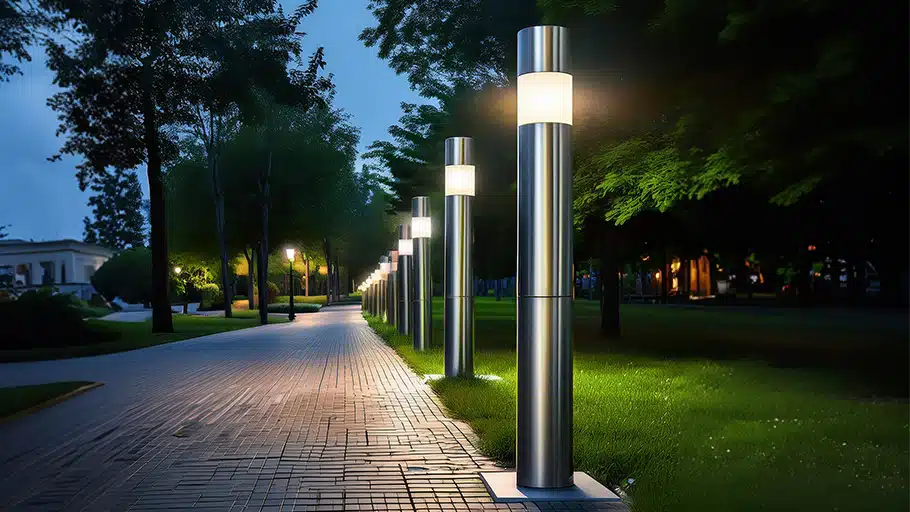
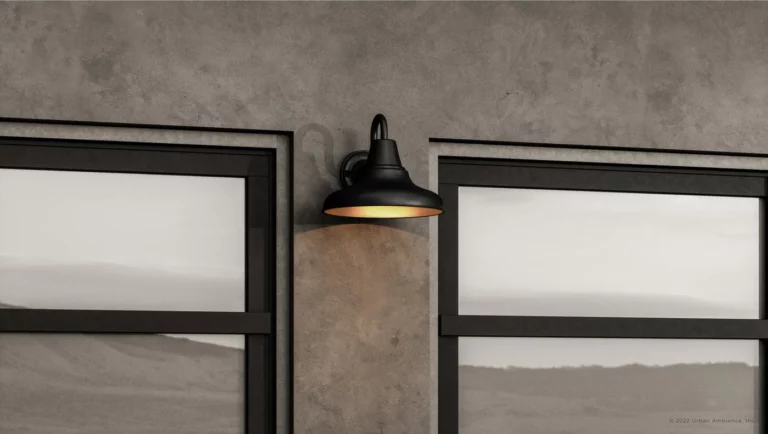
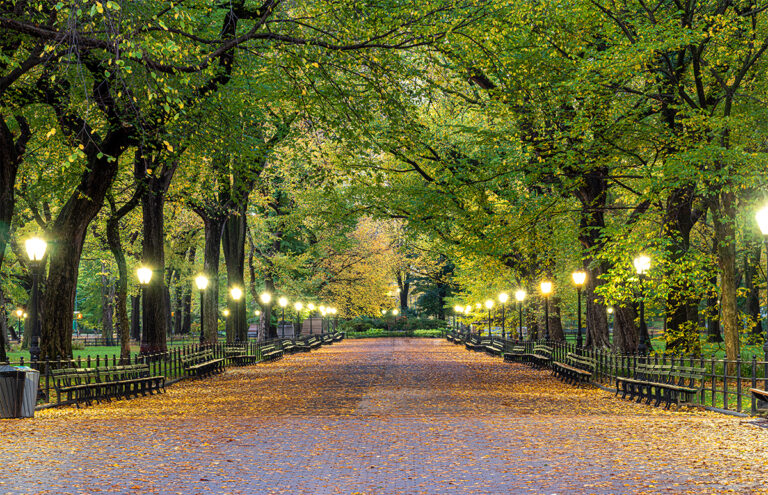
In corporate environments, pathway lighting ensures employees and visitors can navigate safely after hours. For instance, bollard lights installed along walkways not only guide foot traffic but also add elegance to the landscape. By combining functionality and aesthetics, businesses create a secure and professional environment.
Accent Lighting for Hotels and Resorts
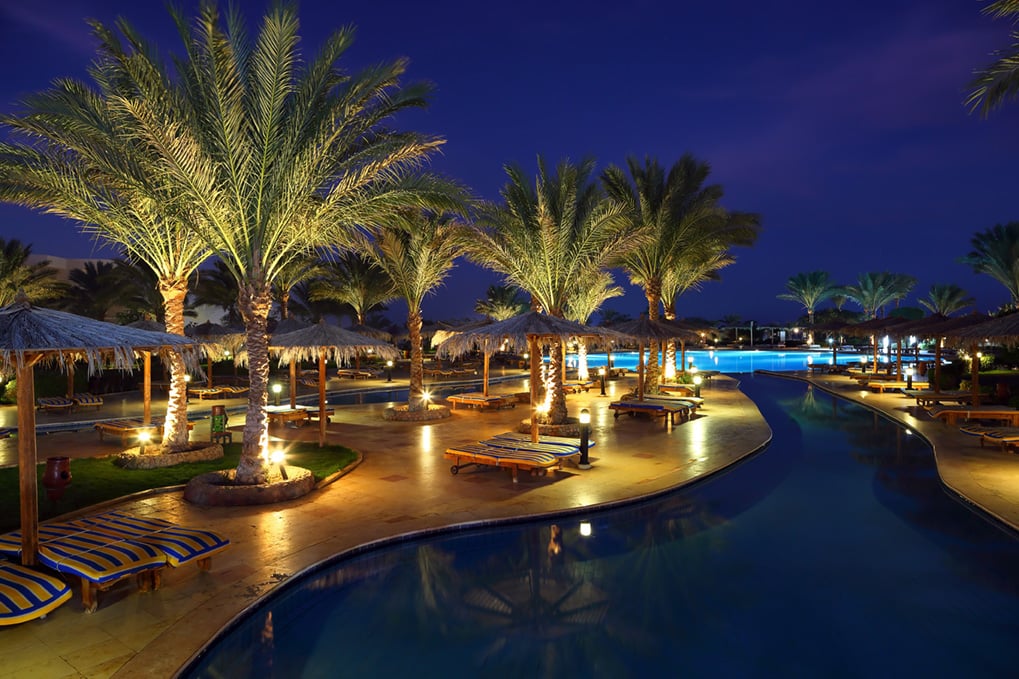
Hotels frequently use accent lighting to showcase gardens, water features, and architectural details. This creates a memorable ambiance for guests while improving nighttime visibility. A resort illuminated with uplights and spotlights transforms its outdoor areas into destinations of their own, encouraging guests to spend more time on-site.
Parking Lot and Exterior Security Lighting for Retail Centers
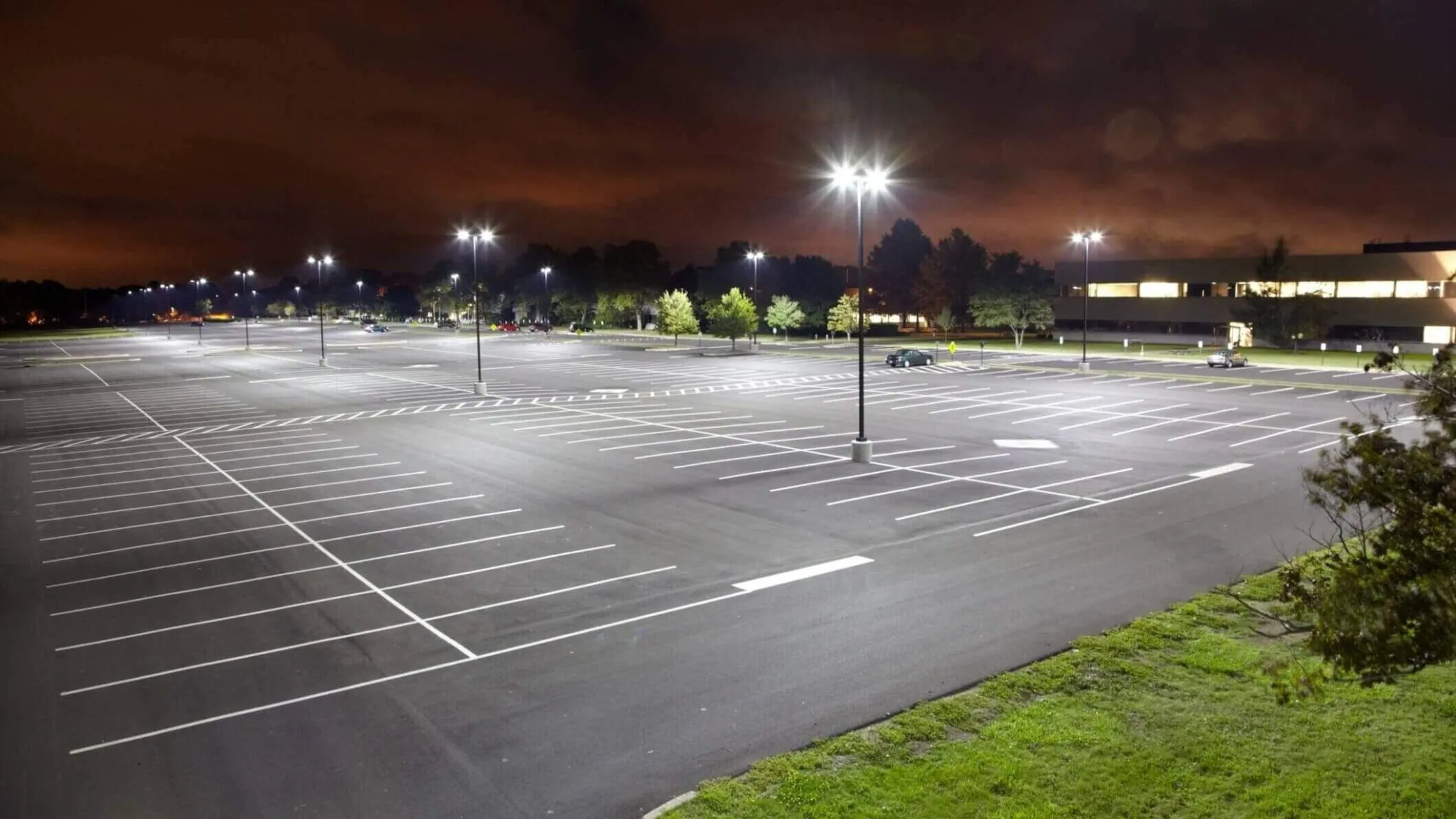
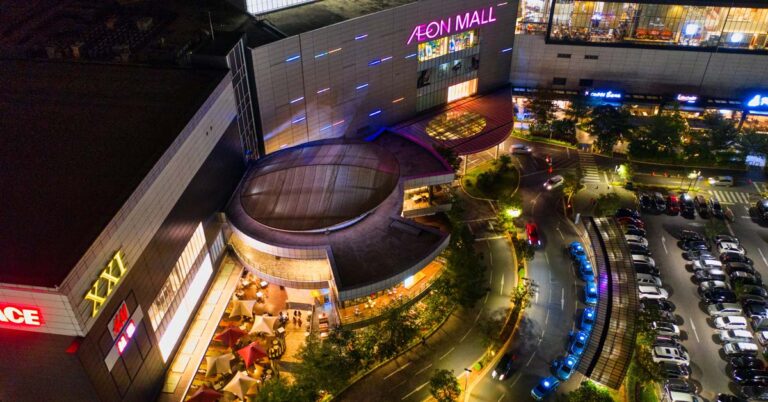
Retail environments prioritize customer safety, and parking lot lighting plays a major role. Bright, evenly distributed LED fixtures reduce shadowed areas, helping customers feel secure. At the same time, the efficient design minimizes glare and energy waste.
Decorative Landscape Lighting for Restaurants
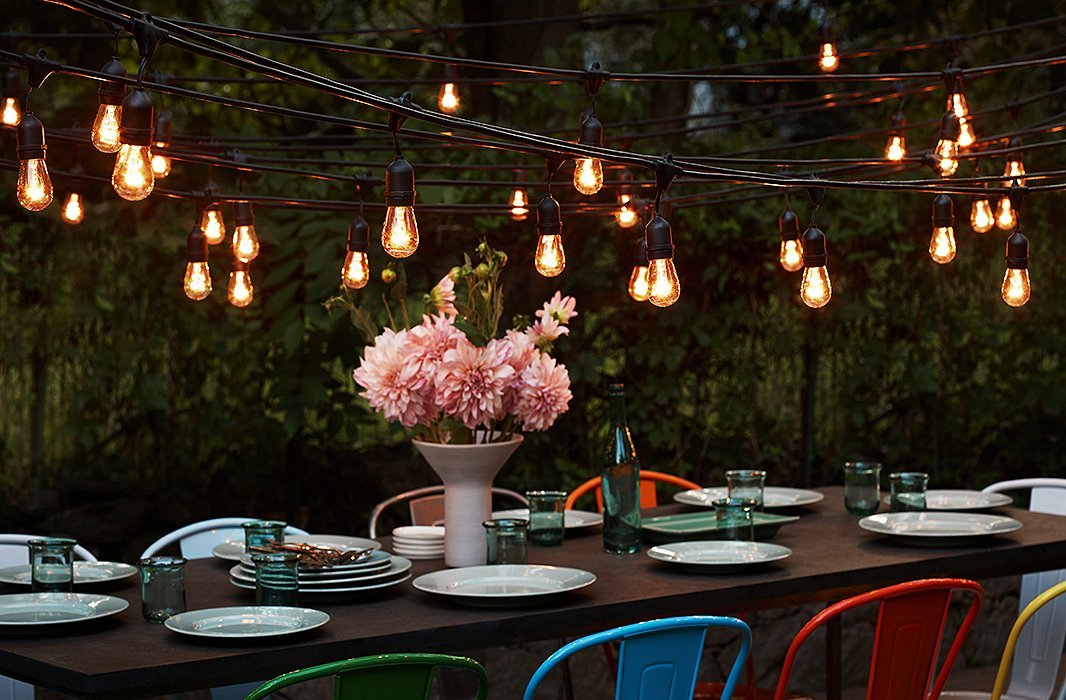
Restaurants often use creative lighting to attract customers passing by. Decorative fixtures like string lights, uplights for landscaping, and warm-toned LEDs contribute to a cozy atmosphere. This combination encourages outdoor dining and enhances the overall dining experience.
Use Cases of Commercial Landscape Lighting
Creating Welcoming Entrances
Businesses rely on first impressions. A brightly lit entrance provides guests with a sense of safety and professionalism. This is especially crucial for hotels, hospitals, and corporate offices that receive frequent visitors after dark.
Extending Usability of Outdoor Spaces
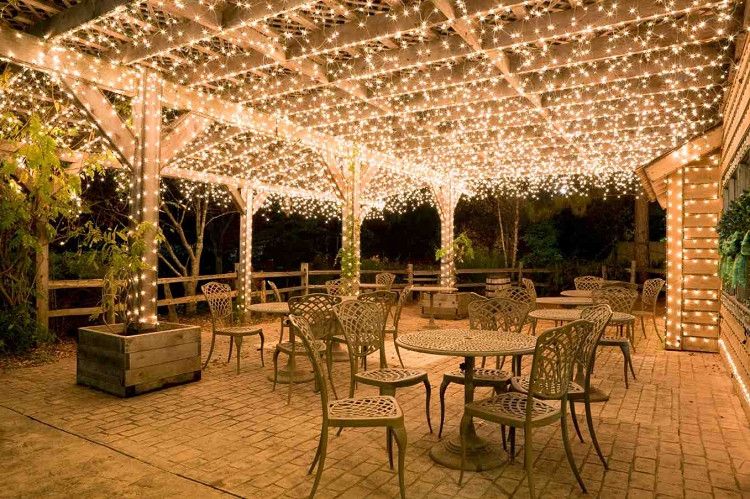
Insert image of the product: Outdoor seating area illuminated by overhead fixtures.
Outdoor dining areas, courtyards, or event spaces can remain functional long into the evening when properly lit. This expands business opportunities, especially for restaurants, resorts, and event venues.
Reducing Liability Risks
Commercial properties have legal responsibilities for the safety of their visitors. By eliminating dark spots and ensuring clear visibility, businesses reduce the chances of accidents, protecting both employees and clients while avoiding potential legal issues.
Highlighting Architectural Design
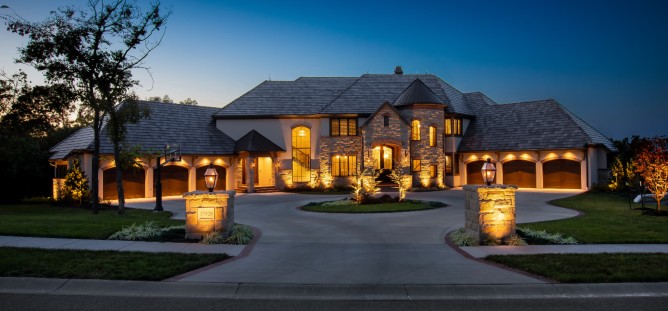
Commercial landscape lighting is also a storytelling tool. By illuminating structural features or landscape elements, businesses can create a distinctive nighttime identity that sets them apart from competitors.
Practical Advantages of Commercial Landscape Lighting
Operational Efficiency
With smart controls and energy-efficient technology, property owners significantly cut down utility expenses. Scheduled dimming and motion-activated fixtures further optimize energy use.
Long-Term Reliability
Commercial-grade fixtures are designed for weather resistance, corrosion protection, and extended lifespans. This reduces maintenance requirements and ensures consistent performance over time.
Customer Retention and Attraction
A safe, welcoming, and attractive environment directly impacts customer satisfaction. Businesses that invest in high-quality landscape lighting enjoy higher visitor engagement and stronger brand loyalty.
Frequently Asked Questions
1. What is the difference between commercial and residential landscape lighting?
Commercial lighting is built for larger properties, with higher durability, stronger brightness, and advanced technologies like automation. Residential lighting focuses more on aesthetics and smaller-scale installations.
2. How does commercial landscape lighting save energy?
By using LED systems, motion sensors, and smart controls, businesses reduce unnecessary energy consumption. This lowers operational costs and aligns with sustainability goals.
3. What factors should be considered when planning commercial landscape lighting?
Key factors include property size, foot traffic, security needs, brand identity, and budget. A professional design balances functionality, aesthetics, and efficiency to create a cohesive system.