Elevated Patio Deck: Ultimate Guide to Design, Benefits, and Modern Outdoor Living
An elevated patio deck is not just an outdoor addition; it’s a smart blend of design, functionality, and structural engineering. Built above ground level, an elevated deck transforms unused backyard space into a stylish and versatile outdoor living area. It offers better views, maximizes sloped or uneven terrain, and provides creative design opportunities that ground-level patios cannot achieve.
When designed carefully, an elevated patio deck enhances both lifestyle and property value. Homeowners can enjoy a dedicated space for relaxation, entertainment, or outdoor dining, all while increasing the beauty and usability of their home’s exterior.
What Is an Elevated Patio Deck?
An elevated patio deck is a raised outdoor structure supported by framing and built above the ground surface. It is typically constructed using durable materials such as composite decking, cedar wood, or steel framing for long-lasting strength.
The elevation creates practical advantages like improved air circulation, better water drainage, and additional shaded or usable space beneath the deck. For homes with uneven yards or limited outdoor square footage, an elevated deck design provides a perfect solution by creating a level and functional outdoor area.
Design Ideas and Inspiration for Elevated Patio Decks
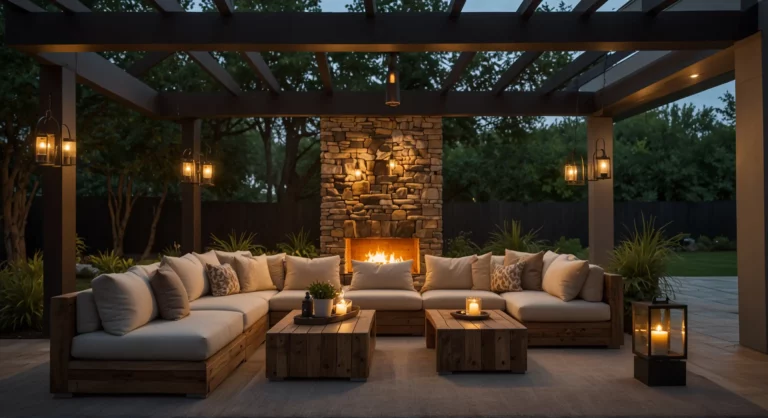
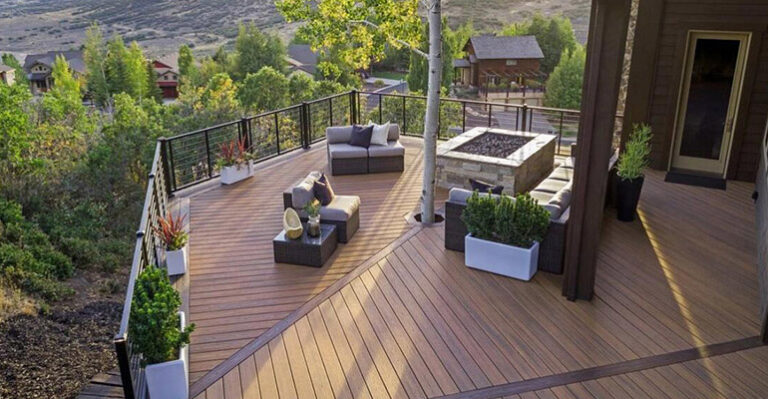
Designing an elevated patio deck opens the door to endless creative opportunities. Some homeowners prefer a modern elevated deck with clean lines, composite materials, and glass railings for a contemporary aesthetic. Others may opt for a rustic style with natural wood tones, built-in seating, and pergolas for added charm.
Additional design elements such as outdoor lighting, planters, and integrated seating maximize both beauty and function. Safety railings made of cable, wrought iron, or glass can enhance the deck’s style while ensuring safety at higher elevations.
Choosing the Best Materials for Elevated Patio Decks
The materials selected will determine the durability, appearance, and maintenance level of an elevated deck. Pressure-treated lumber is widely used because it is cost-effective and resistant to decay. Composite decking, made from recycled plastics and wood fibers, is ideal for homeowners seeking low-maintenance, fade-resistant solutions.
For higher or larger deck structures, steel or aluminum framing ensures stability and structural integrity. Weatherproof finishes, waterproofing membranes, and high-quality fasteners are essential to protect the investment and maintain a beautiful appearance for years.
Benefits of Elevated Patio Decks
A well-designed elevated patio deck provides both aesthetic and practical benefits. By elevating the living space, homeowners enjoy unobstructed views of their garden, pool, or surrounding landscape.
Another advantage is the additional usable area beneath the deck. This space can function as shaded storage, a lounge area, or even an outdoor kitchen. Elevated designs also improve airflow, keeping the area cooler in summer months. For homes located in flood-prone zones, an elevated patio deck adds peace of mind by keeping living spaces above potential water levels.
Technology Integration in Elevated Patio Deck Design
Technology is reshaping how homeowners experience outdoor living. Modern elevated decks often include smart lighting systems that can be controlled via mobile devices, ensuring convenience and energy efficiency. Weatherproof Bluetooth speakers or built-in sound systems make entertainment seamless.
Other innovations include infrared outdoor heaters for year-round comfort, retractable awnings or smart shading systems, and even outdoor projectors for movie nights. Using advanced 3D modeling tools during the planning stage also allows homeowners to visualize the final design and avoid costly mistakes.
Real-World Examples of Elevated Patio Decks
1. Multi-Level Elevated Deck for Sloped Yards
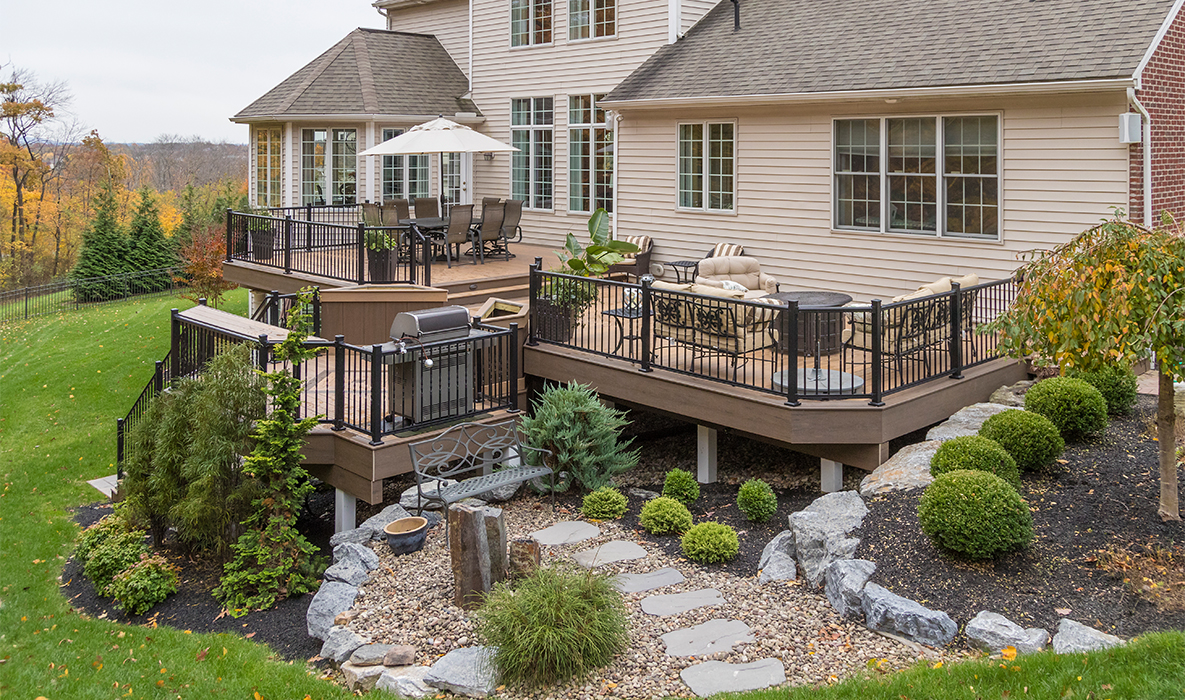
For homes with uneven or sloped backyards, a multi-level deck offers a practical and stylish solution. One example features staggered platforms, each with a different purpose: dining, lounging, and gardening. Composite decking provides durability, while cable railings ensure safety without blocking scenic views.
2. Elevated Poolside Deck with Pergola
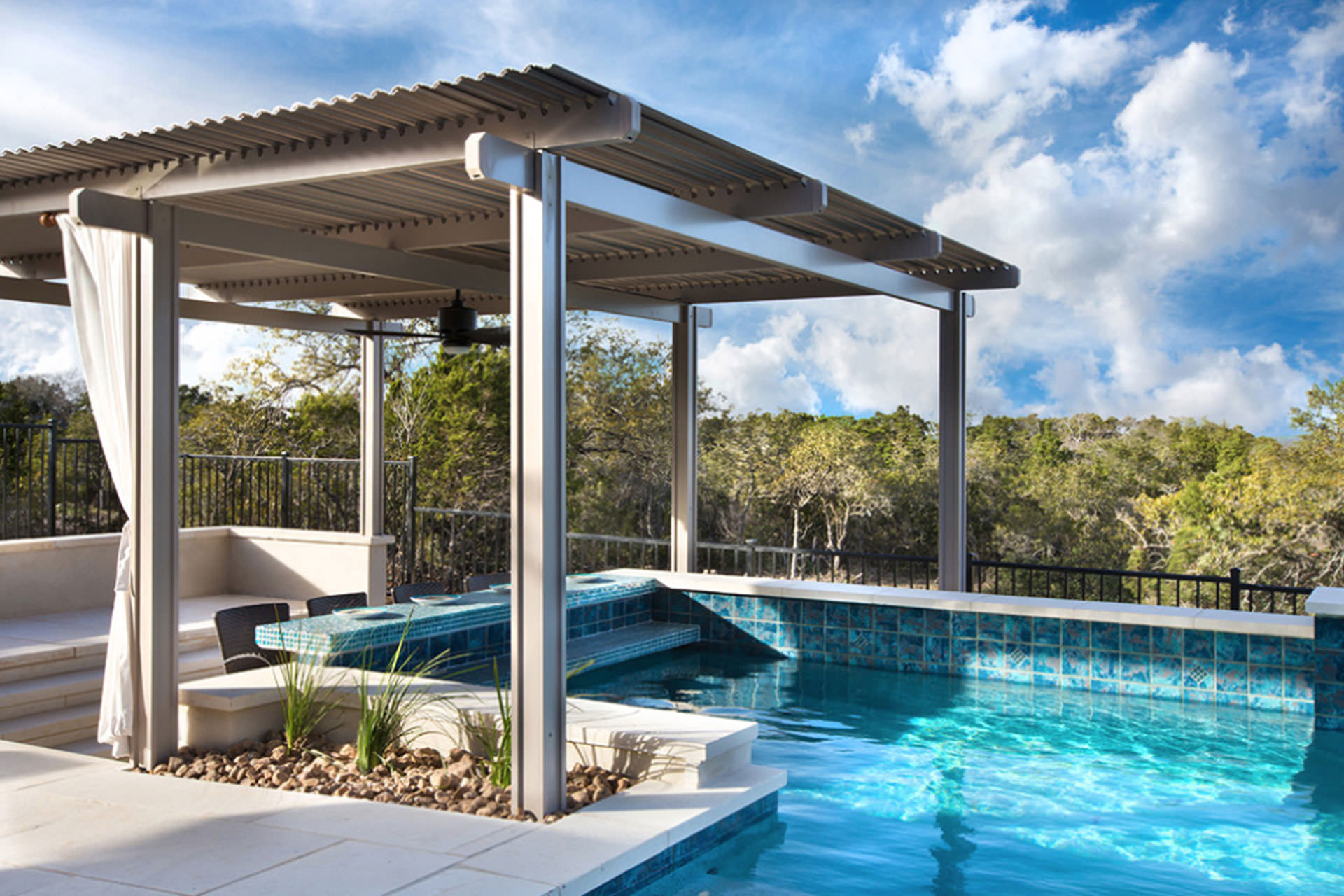
Another real-world case is an elevated patio deck overlooking a backyard pool. Built from pressure-treated lumber, the deck includes a pergola for shade and LED lighting for evening use. This design blends relaxation with functionality, offering a perfect outdoor retreat.
3. Rooftop-Inspired Modern Elevated Deck
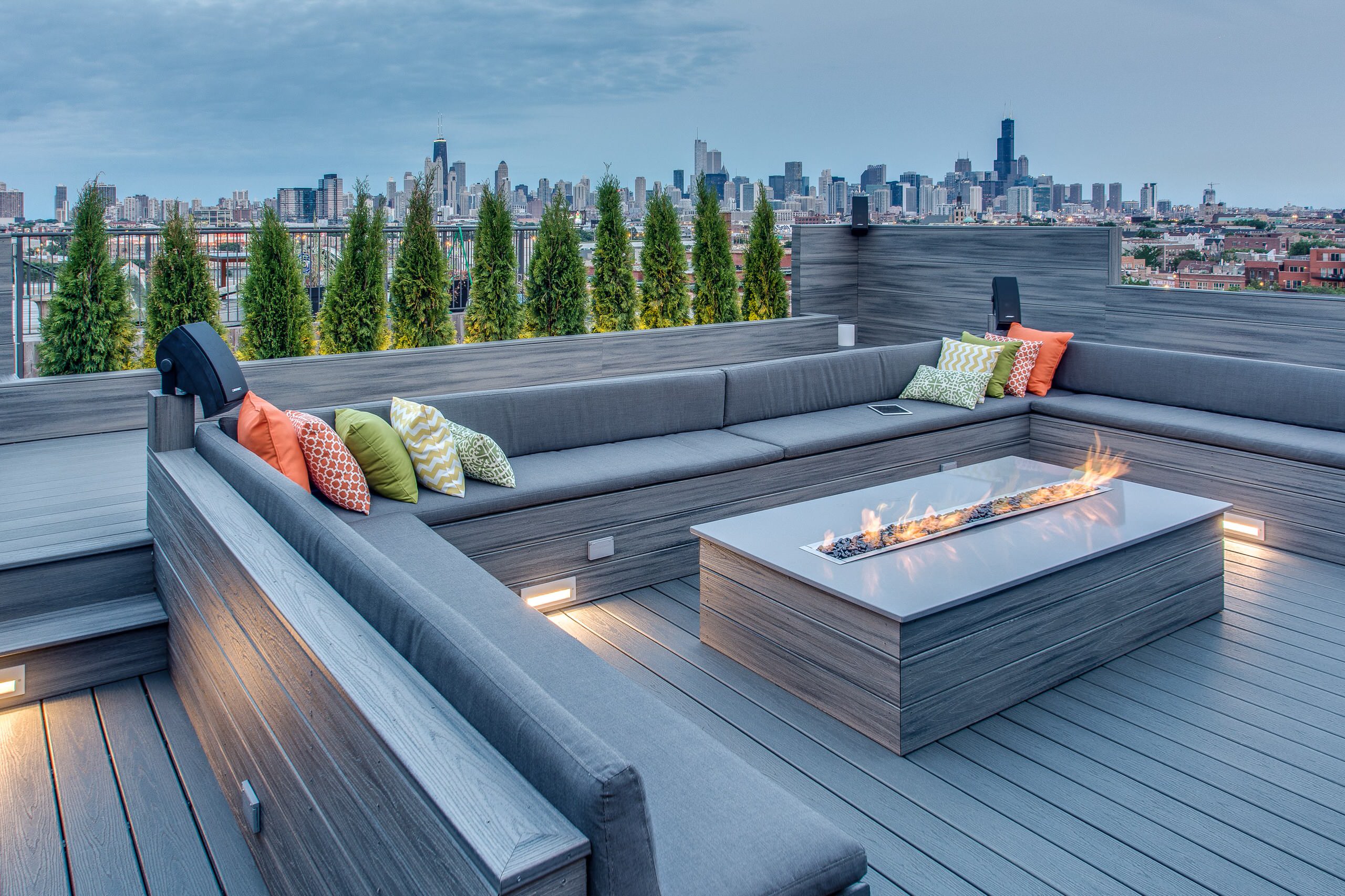
In urban homes, elevated decks often serve as rooftop-style retreats. A striking example includes composite decking, glass railings, and built-in seating with planters. This minimalist approach maximizes limited space while delivering a sleek, modern look.
4. Rustic Elevated Deck with Outdoor Kitchen
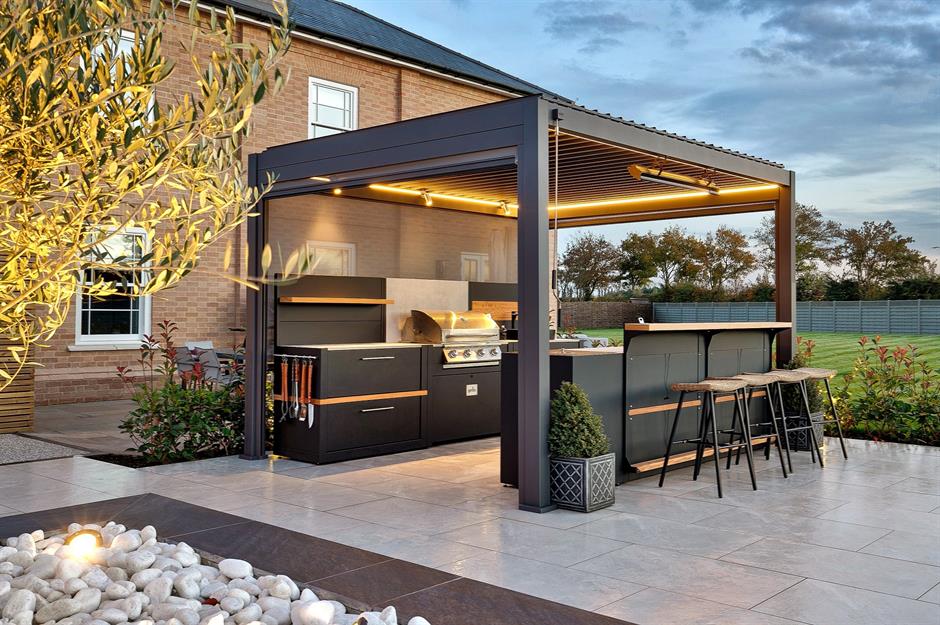
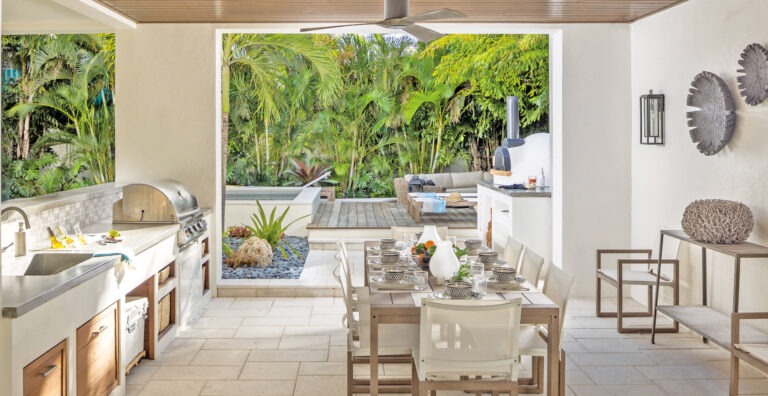
For countryside homes, a cedar wood elevated deck with a full outdoor kitchen provides both charm and utility. The shaded area below serves as a lounge, while the upper deck is fully equipped for cooking, dining, and entertaining.
Use Cases for Elevated Patio Decks
Elevated patio decks are versatile and address various lifestyle needs. Families can host barbecues, holiday celebrations, or weekend gatherings. Nature lovers can use the elevated space as a viewing platform for landscapes, sunsets, or gardens.
For smaller homes, an elevated deck acts as an extended living room, adding valuable square footage without major renovations. It also transforms previously unusable or sloped land into a functional and attractive feature.
Practical Advantages of Elevated Patio Decks
The benefits extend beyond style. Elevated decks keep furniture and flooring away from ground-level moisture, increasing their longevity. The shaded areas below provide comfort from sun exposure, while proper railings and stair placement ensure accessibility and safety.
Modern materials like composite decking require minimal maintenance, saving time and effort for homeowners. Additionally, adding an elevated patio deck boosts overall property value by expanding outdoor living possibilities, making it a long-term investment that pays off.
Conclusion
An elevated patio deck is more than an outdoor addition; it’s a lifestyle upgrade. From multi-level decks on sloped terrain to modern rooftop-inspired designs, elevated decks combine architecture, technology, and practicality. By choosing the right materials and integrating smart features, homeowners can transform their backyards into functional and stylish extensions of their homes.
Frequently Asked Questions
1. What is the main difference between an elevated patio deck and a ground-level patio?
An elevated patio deck is built above ground level, offering better views, additional usable space underneath, and improved drainage. Ground-level patios sit directly on the surface and are less adaptable to uneven terrain.
2. What are the best materials for building an elevated patio deck?
The best materials include pressure-treated lumber for affordability, composite decking for low maintenance, and cedar wood for natural beauty. Steel or aluminum framing is recommended for larger or higher decks.
3. Does an elevated patio deck add value to a property?
Yes. Elevated patio decks not only expand functional outdoor living space but also enhance property aesthetics, making homes more appealing to potential buyers and increasing resale value.