Lumens Outdoor Lighting: Complete Guide to Brightness, Benefits, and Applications
Outdoor lighting has evolved from being a purely functional feature into a sophisticated design element that enhances safety, security, and ambiance. At the core of effective outdoor lighting lies one essential concept: lumens. Understanding lumens outdoor lighting helps property owners choose the right brightness levels for pathways, gardens, patios, or commercial spaces.
Lumens measure the total amount of visible light emitted by a source, replacing watts as the modern benchmark for brightness. This makes lumens a critical factor when selecting outdoor fixtures, whether for residential landscaping or large-scale commercial applications. With the right lumen levels, outdoor spaces not only look inviting but also function efficiently after dark.
What Are Lumens in Outdoor Lighting?
Lumens represent the total quantity of light visible to the human eye from a fixture or bulb. Unlike watts, which measure energy consumption, lumens give a clear indication of how bright a light will appear. For outdoor environments, lumen levels vary depending on the intended use, with low levels for accent lighting and much higher outputs for floodlights or security systems.
For instance, a pathway light may need only 100–200 lumens to safely guide footsteps, while a commercial parking lot might require fixtures emitting 15,000 lumens or more. Recognizing the relationship between lumens and function is vital to achieving both efficiency and effectiveness.
The Importance of Lumens in Outdoor Lighting Design
Brightness plays a direct role in safety, ambiance, and usability. Too little light can leave areas unsafe, while excessive brightness can create glare and light pollution. Lumens outdoor lighting allows property owners to strike a balance, ensuring both practicality and comfort.
By matching the correct lumen levels to the purpose of each area, lighting design achieves its intended effect. Pathways remain safe without blinding glare, gardens look enchanting under subtle uplights, and commercial zones stay secure under powerful floodlights. This careful balance is only possible by understanding lumens.
The Role of Technology in Lumens Outdoor Lighting
LED Technology and Lumen Output
LEDs have revolutionized outdoor lighting. They produce more lumens per watt compared to traditional incandescent or halogen bulbs. This means brighter illumination at lower energy costs. LED fixtures also allow for precise lumen output control, offering homeowners and businesses the flexibility to tailor brightness levels to their specific needs.
Smart Lighting Systems
Modern smart systems let users adjust lumen levels remotely through apps or voice assistants. For example, you can dim garden lights for a romantic dinner and increase brightness for a late-night gathering. This adaptability ensures outdoor spaces remain versatile while conserving energy.
Solar-Powered Fixtures with Lumens Control
Solar technology has made lumen outdoor lighting more sustainable. Solar-powered fixtures store energy during the day and release consistent brightness levels at night. Many models now include lumen-adjustable features, allowing tailored performance while reducing reliance on grid electricity.
Real-World Examples of Lumens Outdoor Lighting
Pathway LED Bollard Lights
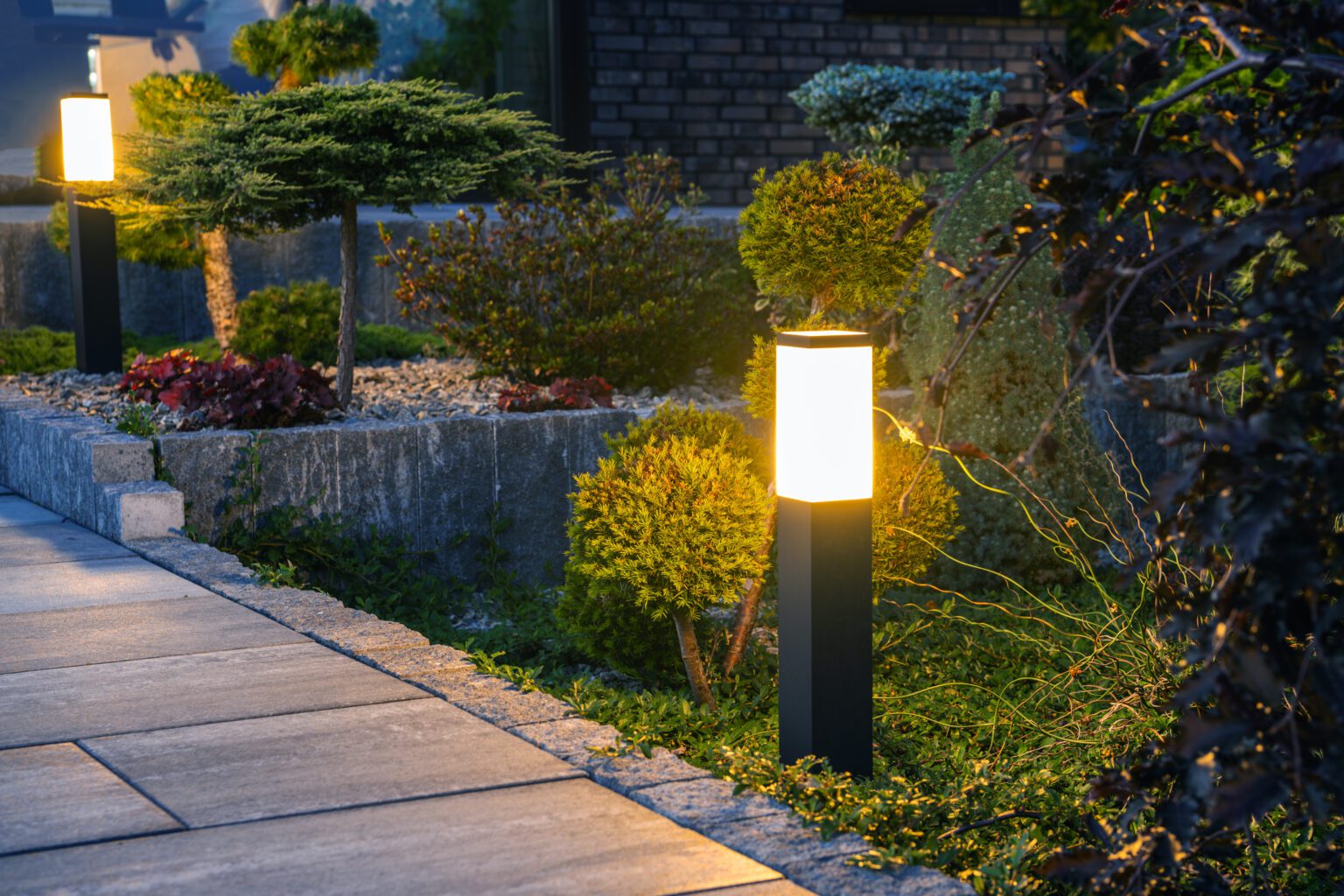
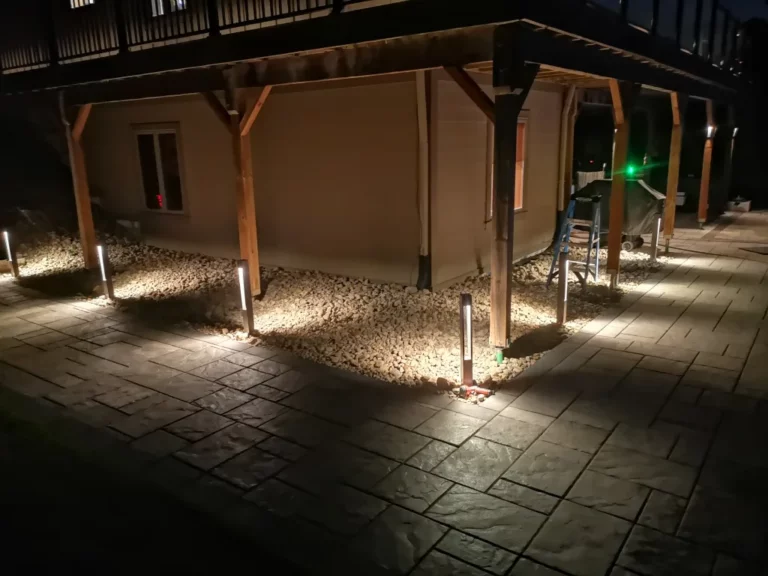
Pathway lighting usually requires 100–300 lumens per fixture. LED bollard lights provide a balance of brightness and style, guiding footsteps while enhancing landscaping. These lights are low-maintenance, durable, and often equipped with smart dimming features for adjustable brightness levels.
By choosing the correct lumens, homeowners prevent harsh glare while ensuring pathways remain safe and welcoming.
Residential Wall-Mounted Floodlights
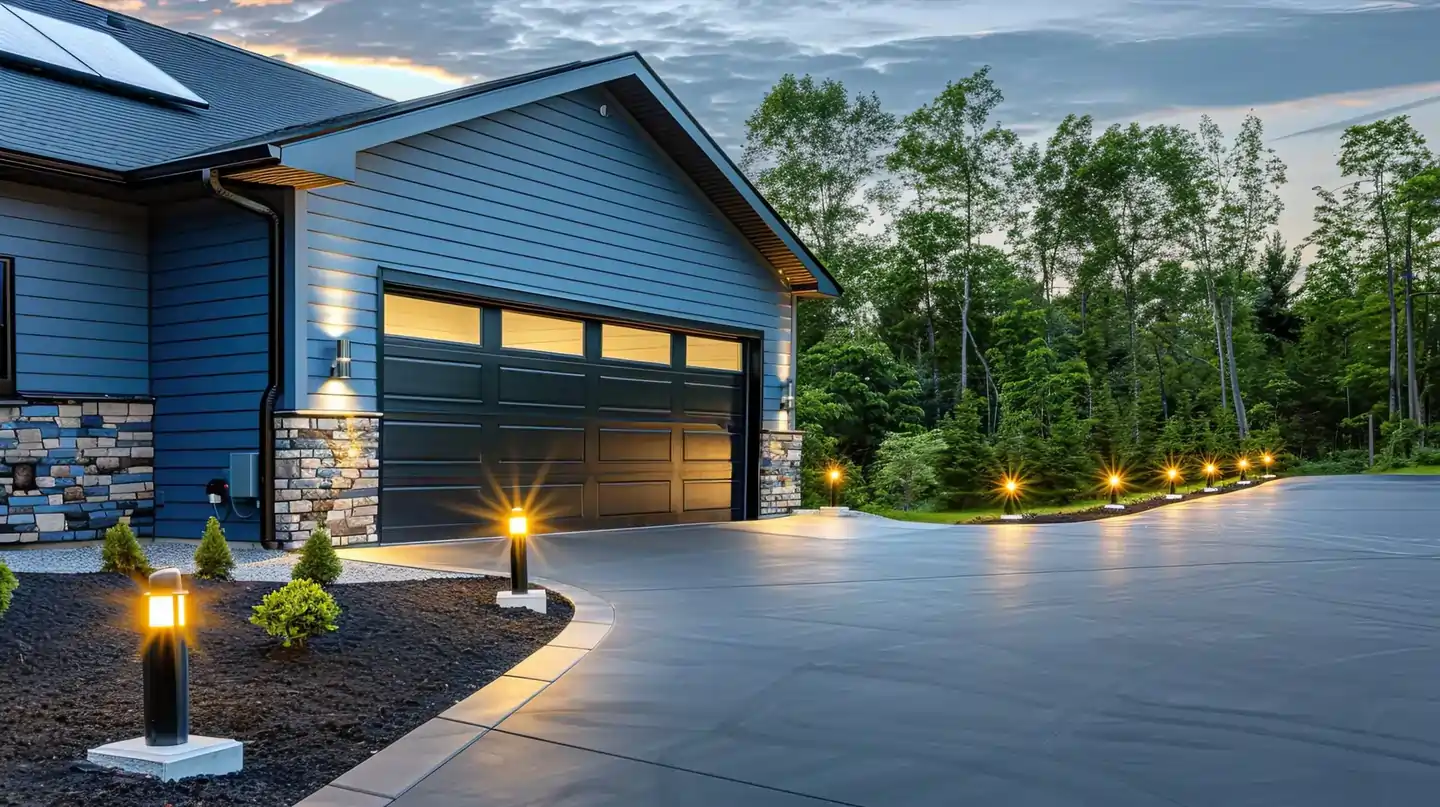
Floodlights designed for residential use often range from 700 to 2,000 lumens. They provide broad coverage for driveways, patios, and backyards. Many include motion sensors, ensuring lights activate only when needed.
With the right lumen output, these floodlights deter intruders, illuminate outdoor activities, and create a safe environment without wasting energy.
Decorative String Lights with Adjustable Lumens
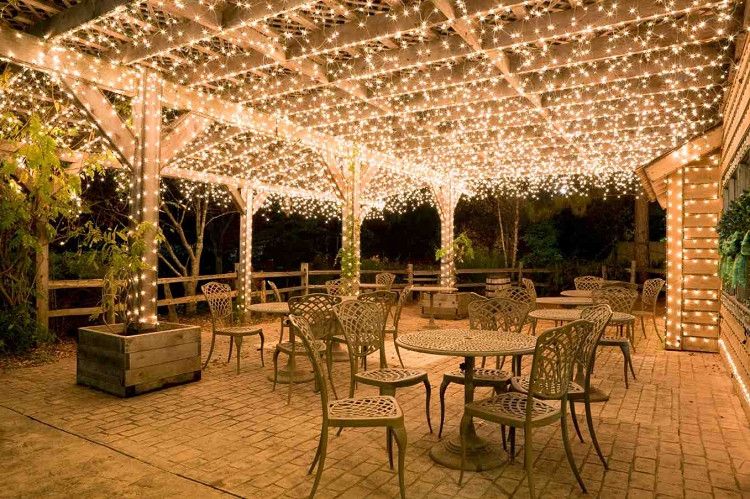
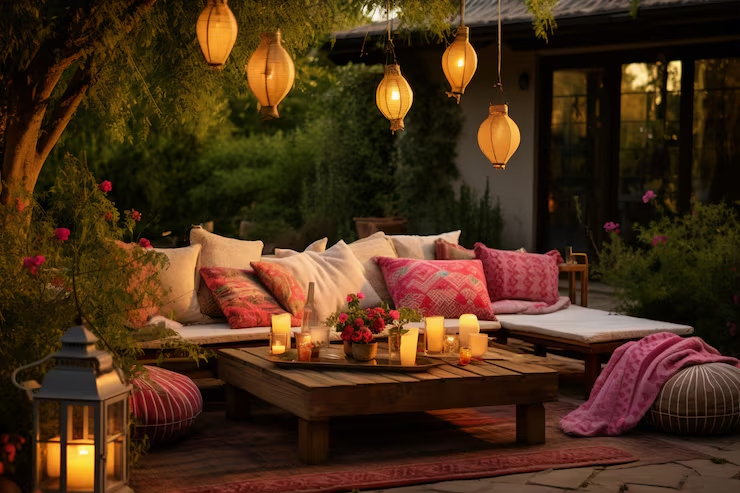
String lights typically operate around 50–150 lumens per bulb, creating ambiance rather than intense brightness. Modern designs allow users to adjust lumen levels, tailoring the mood for events ranging from festive celebrations to quiet evenings.
This example shows how even low-lumen solutions play a vital role in outdoor design. Their charm lies in subtle illumination that transforms atmospheres without overpowering the surroundings.
Commercial Parking Lot LED Fixtures
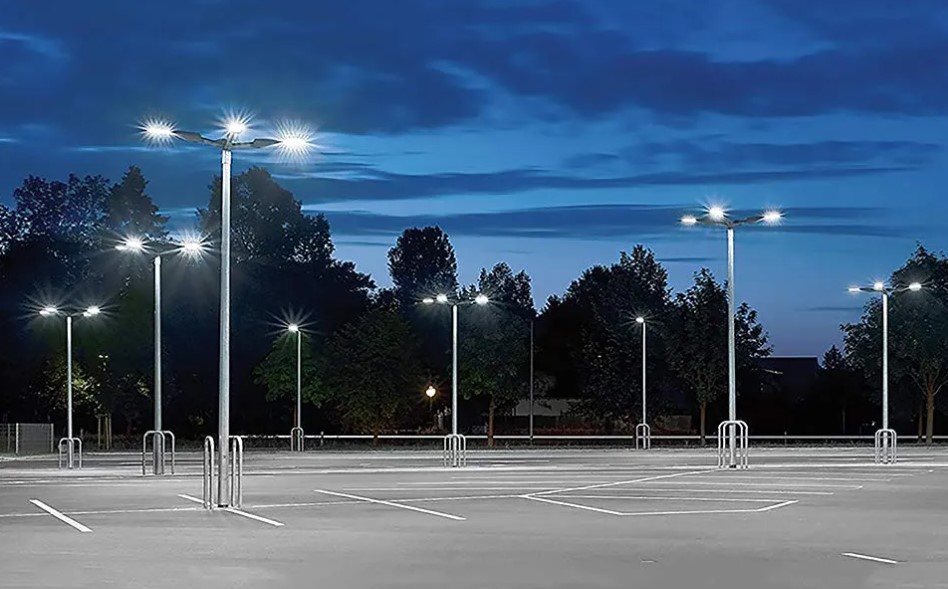
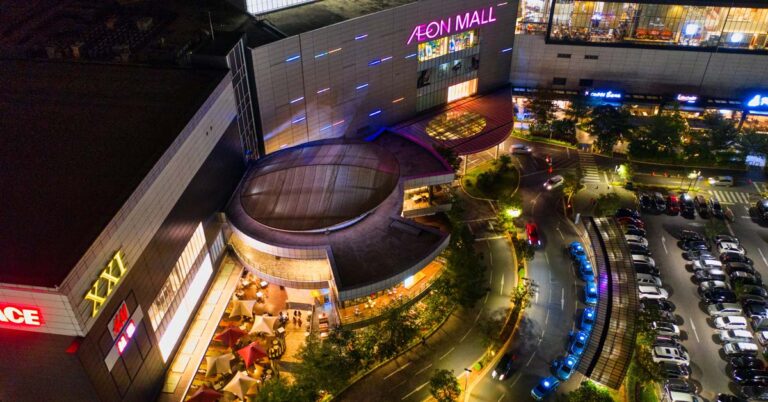
Commercial spaces like parking lots demand high lumen outputs, often between 10,000 and 20,000 lumens per fixture. These powerful lights ensure visibility for drivers and pedestrians, reduce accident risks, and improve security coverage.
By utilizing energy-efficient LEDs, businesses maintain cost control while meeting safety and regulatory standards. Lumens are the deciding factor in ensuring adequate brightness across expansive areas.
Sports Field Floodlights
Sports facilities require extremely high lumen levels, often exceeding 30,000 lumens per fixture. Floodlights provide uniform coverage, ensuring athletes and spectators experience clear visibility during evening events.
Advancements in LED floodlighting now deliver high lumen output with minimal glare, enhancing both performance and comfort. This shows how lumens directly impact functionality on a large scale.
Practical Benefits of Lumens Outdoor Lighting
Energy Efficiency
Choosing appropriate lumen levels reduces wasted electricity. Rather than overpowering small areas with excessive brightness, lumen ratings allow precise selection of efficient fixtures, cutting energy bills significantly.
Safety and Security
Adequate lumen levels deter crime and accidents. Motion-activated lights with high lumen output enhance perimeter security, while pathway lighting reduces trip hazards. These practical benefits make lumens integral to outdoor planning.
Enhanced Aesthetics
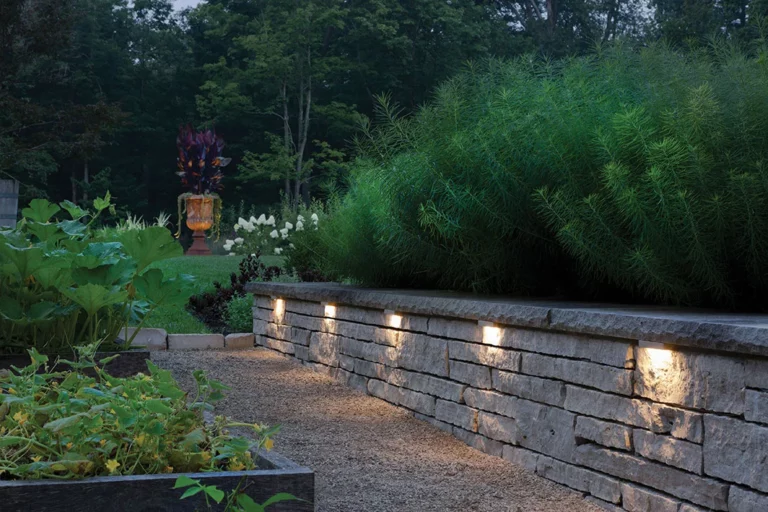
Lumens directly influence mood and ambiance. Accent lighting at low lumen levels enhances decorative features without distraction, while higher lumens provide dramatic highlights. This versatility allows property owners to design environments with purpose and elegance.
Use Cases of Lumens Outdoor Lighting
Residential Properties
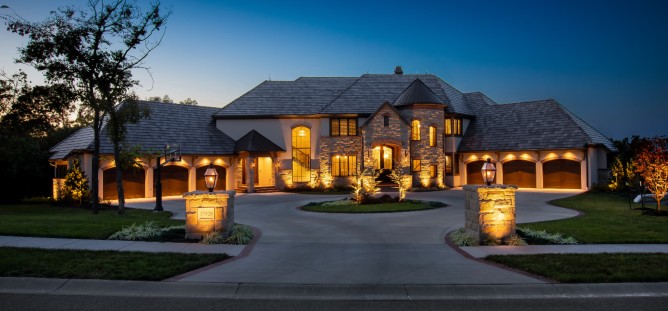
Homeowners rely on lumens outdoor lighting for safety and aesthetics. From 100-lumen pathway lights to 2,000-lumen floodlights, lumen control ensures both security and beauty in everyday life.
Hospitality and Entertainment Venues
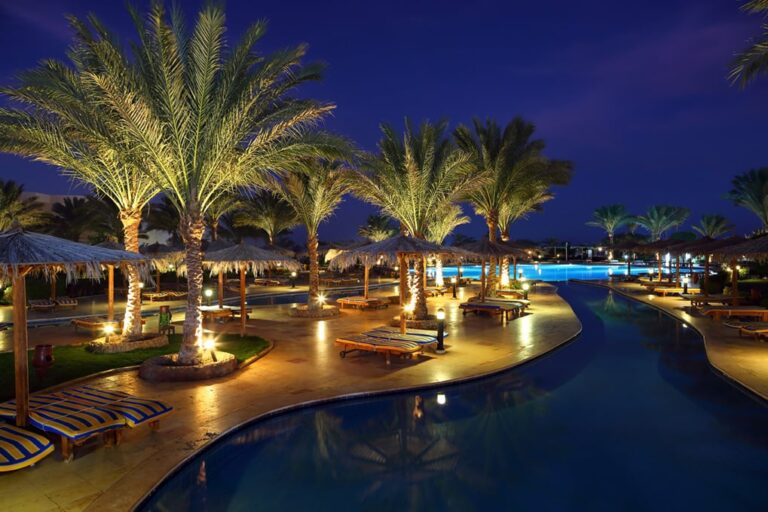
Hotels, resorts, and restaurants use lumen-tailored solutions to shape guest experiences. Decorative string lights create ambiance, while brighter fixtures maintain safety across courtyards and entrances.
Public and Community Spaces
Parks, walkways, and plazas use varied lumen levels to balance usability and environmental sensitivity. Soft illumination maintains the atmosphere, while higher lumen fixtures ensure safety for visitors at night.
Commercial and Industrial Facilities
Businesses and warehouses require high lumen outputs for safety, logistics, and security. Correct lumen planning minimizes energy waste while maximizing effectiveness across expansive properties.
Frequently Asked Questions
1. How many lumens are ideal for outdoor pathway lighting?
Pathway lighting typically requires 100–300 lumens per fixture. This provides enough visibility to walk safely without creating unnecessary glare.
2. Can higher lumens improve security outdoors?
Yes, higher lumens are effective in deterring intruders and increasing visibility. Floodlights with 1,000+ lumens are often used around driveways, backyards, and commercial properties to maximize security.
3. Are lumens more important than watts when choosing outdoor lights?
Yes, lumens measure brightness, while watts measure energy consumption. Choosing outdoor lights based on lumens ensures you get the desired brightness level without overpaying for excessive energy use.