Teak Bench Outdoor: Complete Guide to Styles, Benefits, and Real-Life Examples
An outdoor teak bench is more than just garden seating; it is a timeless piece that combines durability, natural elegance, and functionality. Teak, one of the world’s most resilient hardwoods, has been used for centuries in shipbuilding and furniture making. Its natural oils make it resistant to pests, moisture, and harsh weather, making it the perfect material for outdoor benches.
Placing a teak bench outdoors brings both practical and aesthetic value. Whether it’s in a private garden, a backyard patio, or a public park, teak benches add warmth and sophistication to any space. This guide explores everything you need to know about outdoor teak benches—their styles, benefits, real-world examples, and practical use cases.
Why Teak is the Ideal Choice for Outdoor Benches
Teak stands apart from other woods due to its unmatched resistance to outdoor conditions. Its dense grain and natural oils protect against water penetration, termites, and fungal decay. Unlike softer woods that may warp or crack, teak maintains its structural integrity even after decades of use.
Another key advantage is its beauty. Teak begins with a warm golden-brown hue that gradually ages into a distinguished silver-grey patina when left untreated. This natural transformation appeals to many homeowners who appreciate character and timelessness in their outdoor furniture.
Popular Styles of Teak Bench Outdoor
Traditional Slatted Teak Benches
The most recognizable style is the slatted teak bench, with vertical or horizontal slats on the backrest and a simple yet sturdy frame. This classic design emphasizes functionality while highlighting the natural beauty of teak.
Such benches are commonly found in gardens, courtyards, and parks. Their understated style blends well with both formal landscapes and casual backyards, making them a versatile choice for outdoor seating.
Contemporary Minimalist Teak Benches
For modern homes, minimalist designs with clean lines and sleek profiles are popular. These benches often feature flat seating surfaces, geometric shapes, and minimal ornamentation.
Contemporary teak benches are ideal for urban patios, modern decks, or rooftop gardens. They combine teak’s traditional warmth with modern aesthetics, creating a striking contrast that enhances contemporary outdoor spaces.
Benefits of Choosing a Teak Bench Outdoor
Long-Term Durability
Teak is one of the few materials that can withstand decades of outdoor use. Its durability makes it suitable not only for private gardens but also for public spaces where furniture experiences heavy use.
Minimal Maintenance
Unlike many outdoor materials that require frequent sealing or painting, teak benches can be left untreated and still retain their strength. Owners can choose between maintaining the golden hue with occasional oiling or allowing the wood to naturally weather to silver-grey.
Weather and Pest Resistance
Thanks to its natural oils, teak is inherently resistant to rain, humidity, and UV rays. It also repels pests such as termites, ensuring that the bench remains strong and intact without chemical treatments.
Aesthetic Versatility
A teak bench can complement a wide range of outdoor designs, from rustic gardens to sleek, modern patios. Its adaptability makes it one of the most versatile choices for outdoor seating.
Real-World Examples of Teak Bench Outdoor
Classic Garden Teak Bench with Armrests
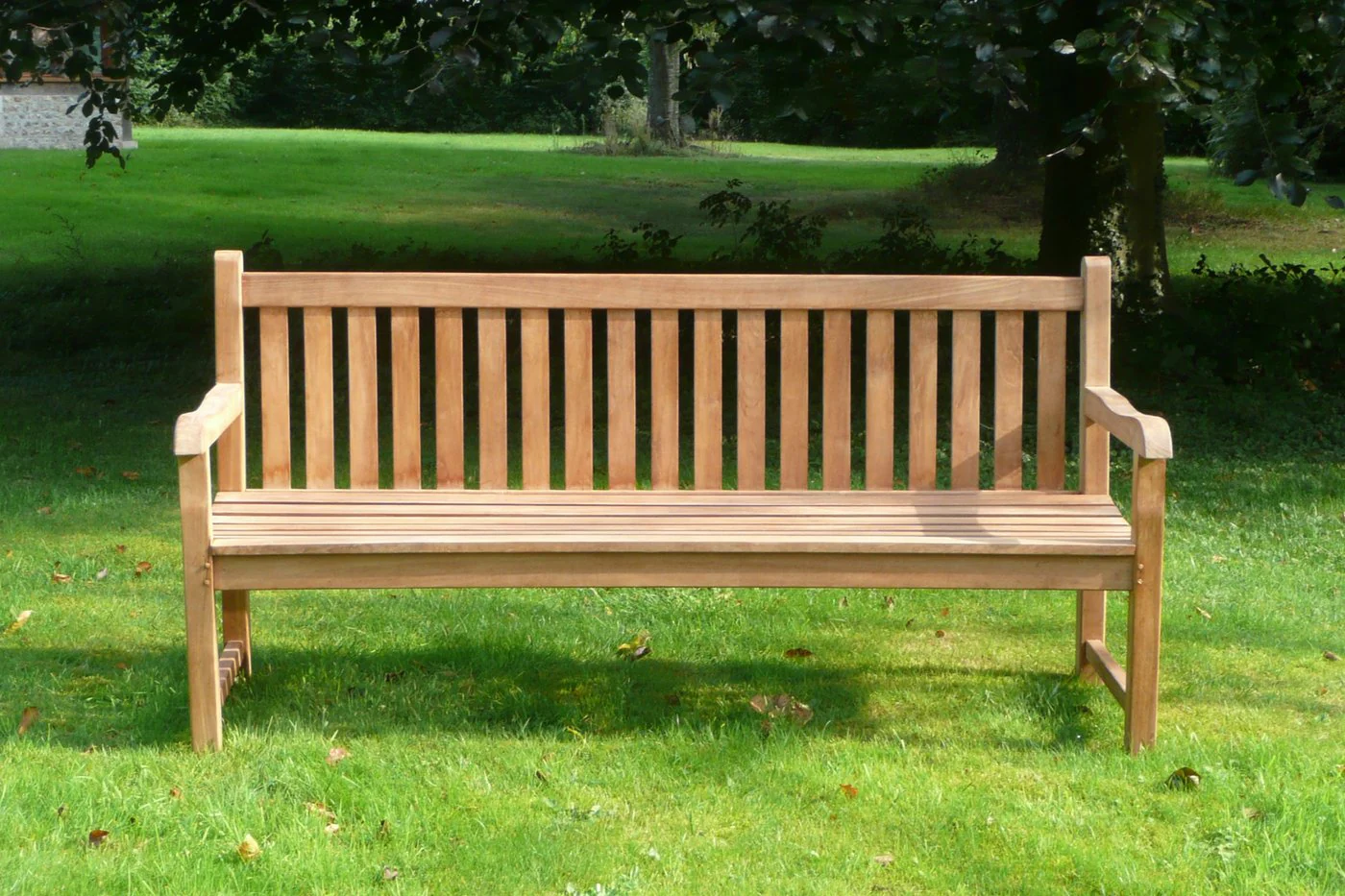
This traditional style features gently curved armrests and a slatted backrest. Designed for comfort and durability, it is often used in home gardens, botanical parks, and courtyards.
The timeless design makes it a natural focal point in any outdoor setting. Families often use it as a gathering spot, while public spaces benefit from its reliable strength and weather resistance.
Backless Outdoor Teak Bench
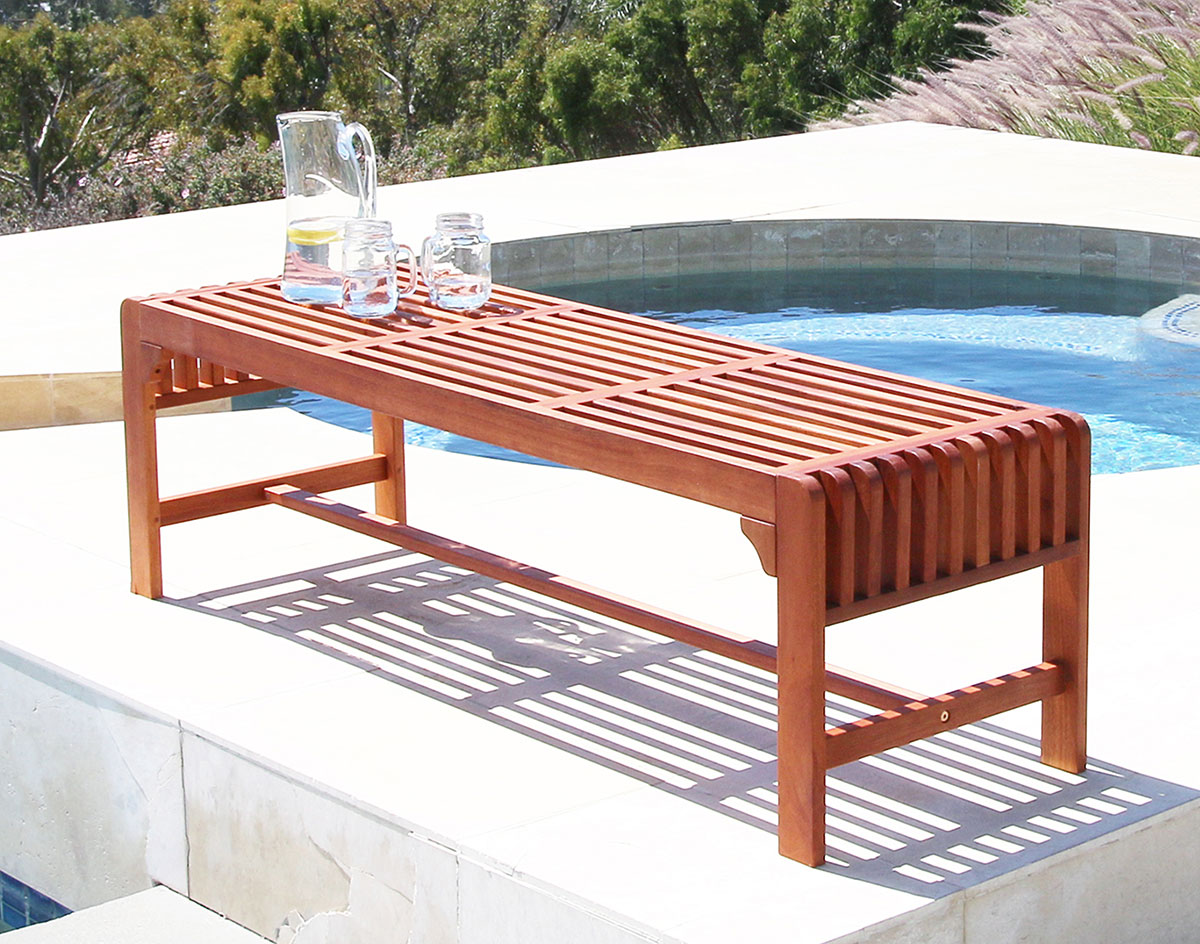
Backless benches offer flexibility in placement and use. They can serve as seating along pathways, next to dining tables, or even at the edge of patios.
Their unobtrusive design makes them ideal for small gardens or spaces where visual openness is important. Despite their minimalist appearance, they retain the durability and strength that teak is known for.
Curved Teak Bench for Garden Landscaping
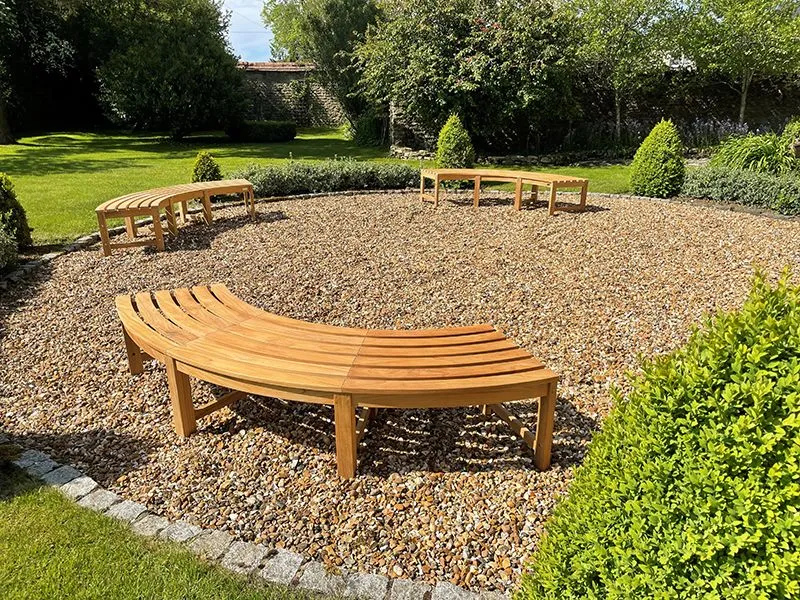
Curved benches are designed to complement natural features such as trees, fountains, or fire pits. Their rounded form encourages social interaction while creating a striking visual element in landscapes.
This design showcases teak’s adaptability, proving that it can be both functional and artistic. These benches are particularly effective in larger gardens or public areas where they can frame central features.
Modern Teak and Metal Hybrid Bench
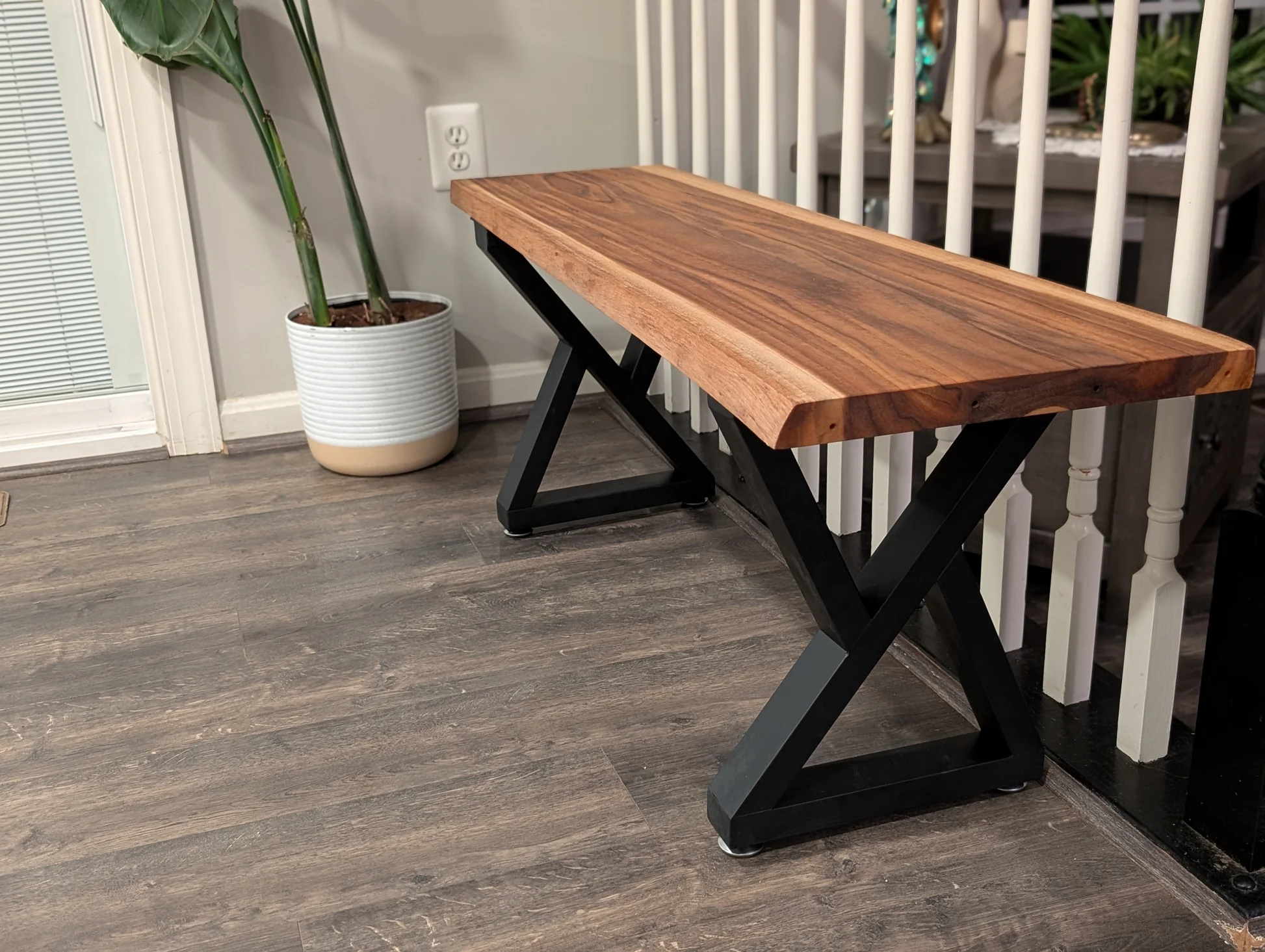
Combining teak with stainless steel or aluminum frames results in a bench with both strength and contemporary style. The warmth of wood balances the industrial aesthetic of metal, making it suitable for modern outdoor spaces.
These hybrid designs represent the evolution of traditional teak benches into more innovative and versatile furniture pieces. They are often used in urban parks, stylish rooftops, or architecturally modern homes.
Practical Use Cases of Teak Bench Outdoor
Comfortable Family Seating
Teak benches provide reliable seating for family activities, from casual outdoor meals to evening storytelling sessions in the garden. Their durability makes them especially practical for households with children.
Enhancing Garden Atmosphere
Placed beneath a tree or next to a flower bed, teak benches elevate the ambiance of a garden. They create cozy spots for relaxation, contemplation, or reading while blending naturally with greenery.
Public Park and Community Use
Outdoor teak benches are a staple in parks, courtyards, and campuses. Their resistance to weather and heavy use makes them an excellent choice for communal seating that lasts for decades.
Space-Saving Solutions
Backless or foldable teak benches are practical for smaller outdoor areas, offering comfort without overwhelming limited space. They fit well on balconies, patios, or narrow walkways.
Benefits of Technology in Modern Teak Benches
Precision Craftsmanship
Advanced woodworking machinery ensures that modern teak benches are built with precise joints, smooth finishes, and uniform shapes. This improves both strength and aesthetics compared to less refined methods.
Eco-Friendly Production
Many modern teak benches are crafted from sustainably sourced or reclaimed teak. Technology in forestry management and certification systems ensures that buyers can choose responsibly produced furniture.
Innovative Designs with Mixed Materials
Thanks to modern technology, teak is now paired with other materials like recycled metals, eco-friendly fabrics, and weather-resistant composites. These innovations expand the design possibilities of outdoor benches.
Frequently Asked Questions
1. How long does a teak bench last outdoors?
With proper care, a teak bench can last 40–50 years or more. Even when exposed to harsh outdoor conditions, teak retains its strength and functionality thanks to its natural oils and dense grain.
2. Should I treat my outdoor teak bench with oil?
Treating with teak oil is optional. It helps preserve the original golden-brown color, but many owners prefer to let the bench naturally weather into a silver-grey patina, which does not affect durability.
3. Can a teak bench be left outside all year?
Yes, teak benches are designed to withstand year-round outdoor conditions. They can endure rain, sun, and humidity. Covering them during extreme winter conditions may help preserve their appearance, but it is not necessary for structural integrity.